Wood has an almost magical quality—it transforms spaces simply by its presence. Whether you’re drawn to the deep richness of walnut or the airy lightness of pale oak, the timber you choose becomes the foundation of how your home feels, functions, and welcomes you home each day.
Understanding Wood: The Foundation of Your Choice

Before diving into specific species or finishes, it helps to understand the two primary categories of wood: hardwoods and softwoods. Despite their names, this distinction has nothing to do with how physically hard they feel. Instead, it’s botanical—hardwoods come from deciduous trees (oak, walnut, maple), while softwoods come from conifers (pine, fir, cedar). In practice, this matters deeply for your interior choices.
Hardwoods are typically denser, more durable, and showcase more complex grain patterns. They excel in high-traffic living areas, create a sense of permanence, and develop beautiful patina over time. A walnut dining table becomes more distinguished with age; a cherry dresser deepens in character. The trade-off is maintenance—hardwoods benefit from regular conditioning and care.
Softwoods are lighter, more workable, and easier to paint or stain. They’re also more affordable and renewable, making them an excellent choice for those prioritizing sustainability. Pine brings a casual, cottage-like warmth to a space, while whitewashed ash fits seamlessly into Scandinavian or minimalist interiors. Softwoods do scratch and dent more easily, but many interior designers deliberately choose them for this very reason—the patina that develops tells a story of lived-in comfort rather than pristine perfection.



Meeting the Wood Species: Choosing What Speaks to You
Not all hardwoods are created equal, and neither are softwoods. Each species carries distinct visual and tactile qualities that influence how it functions in your space.
Hardwoods for Statement Pieces

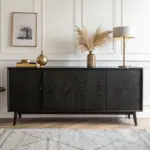
Walnut is perhaps the most luxurious choice for those seeking drama and sophistication. Its deep brown-to-black coloring, often with purple or gray undertones, creates immediate visual impact. The grain patterns are striking—sometimes curly, sometimes straight—making each piece unique. A walnut credenza or headboard becomes a room’s focal point. It’s ideal for creating enveloping, moody spaces that feel intentional and curated. The downside: walnut is costly, and its richness requires thoughtful pairing to avoid overwhelming a small space.
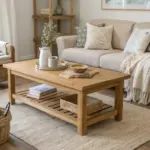
Oak remains America’s most beloved timber, and for good reason. Its open grain structure means it accepts stain beautifully, making it remarkably versatile. White oak brings light golden-brown tones with subtle flecking; red oak offers warmer, more pronounced grain. Oak works equally well in traditional dining rooms and contemporary lofts. It’s durable, forgiving, and develops a graceful patina as it ages. Many of my favorite spaces feature oak because it feels both grounded and refined without demanding attention.
Cherry speaks to those seeking warmth with restraint. Its reddish-brown tones are sophisticated without being overpowering, and its fine grain reads as refined. Cherry works beautifully in bedrooms or studies where a sense of calm refinement matters. It darkens over time, developing rich mahogany-like tones as it matures.
Maple is the minimalist’s hardwood—light colored, with smooth, subtle grain that photographs beautifully and feels contemporary. It’s hard enough to resist scratches, making it practical for busy households. Maple pairs wonderfully with cool grays, soft blues, and Scandinavian-inspired simplicity.
Softwoods for Warmth and Accessibility

Pine brings honest, unpretentious character. Its golden honey tones and visible knots create texture that feels lived-in from day one. Pine works beautifully when painted—crisp white pine trim feels fresh and architectural—or left natural for a cottage aesthetic. It’s also one of the most sustainable choices, as pine grows quickly and is widely available from responsibly managed forests.
Cedar offers dual benefits: natural resistance to moisture and insects, plus a distinctive warm scent that adds invisible richness to a space. It’s increasingly used in bedroom accessories, storage, and wall accents for its subtle sensory appeal.
Ash deserves mention as an underrated softwood alternative. Its light, clean grain and pale coloring make it feel contemporary and airy. Whitewashed ash, in particular, feels effortlessly modern.
| Wood Species | Color Range | Grain Character | Best Use | Maintenance Level |
|---|---|---|---|---|
| Walnut | Deep brown to black | Striking, varied patterns | Furniture statement pieces, accent walls | High |
| Oak | Light to golden brown | Open, pronounced | Flooring, dining furniture, cabinetry | Medium |
| Cherry | Reddish-brown | Fine, consistent | Bedroom furniture, cabinetry | High |
| Maple | Pale to creamy | Smooth, subtle | Contemporary furniture, flooring | Medium |
| Pine | Honey gold | Visible knots, rustic | Painted trim, casual furniture, shelving | Low-Medium |
| Cedar | Warm amber to reddish | Distinctive grain | Storage, wall accents, accessories | Low-Medium |
| Walnut (White) | Medium to light brown | Tight, straight | Modern cabinetry, flooring | Medium |

Finishes: How Wood Speaks

The finish you choose fundamentally changes how wood looks and feels in your space—sometimes more than the species itself.
Matte finishes have become the contemporary standard for a reason. They showcase the wood’s true grain without reflective distractions, creating an intimate, lived-in feel. A matte finish reads as sophisticated and intentional. It hides fingerprints and minor dust beautifully, making it practical for high-traffic areas. In bedrooms and living rooms, matte finishes create calm, grounded spaces. They pair naturally with soft textiles and natural fibers.
Gloss finishes belong to a different aesthetic entirely. They reflect light, brighten darker rooms, and create formality. Think of a gloss-finished cherry dresser in an entryway or a polished walnut dining table that gleams under chandelier light. Gloss says “special occasion” and “well-tended.” It requires more frequent cleaning and shows every fingerprint, but if you love the ritual of maintaining fine things, gloss rewards that care with luminous beauty.
Satin finishes split the difference—they offer subtle sheen without high-maintenance demands. Many contemporary designers favor satin as the modern middle ground.
Natural oil finishes and hand-rubbed wax represent a return to less processed approaches. These enhance grain visibility, feel warm to the touch, and allow wood to age naturally. They require more frequent conditioning but create incomparably authentic patina. If you’re drawn to wood that genuinely evolves with time—darker, richer, more characterful—oil or wax finishes are worth the commitment.
Color and Context: Creating Harmony with Surrounding Spaces
Here’s where interior design meets human psychology: the colors you pair with wood influence not just aesthetics but the emotional tone of a room.
Warm undertone woods—oak, cherry, most pines—naturally pair with warm metals (brass, bronze, copper) and earthy companion colors (warm grays, warm whites, ochre, terracotta, sage green, warm blues). These combinations feel inviting, grounded, and timeless.
Cool undertone woods—maple, ash, and some white oaks—work beautifully with chrome, steel, and brushed silver finishes, plus cool paint colors (slate gray, cool white, soft blue, sage).
A useful design principle is the 60-30-10 rule: let wood be 60% of your palette (flooring, large furniture pieces), dedicate 30% to wall color or large upholstered pieces, and use 10% for accent colors in textiles and accessories. This creates visual breathing room while ensuring wood remains the hero.
Light woods can handle bold accent colors—emerald green, deep navy, warm terracotta—because their neutrality provides balance. A pale maple floor with emerald walls and brass accents creates drama without chaos.
Dark woods call for restraint. Let them anchor a space with warm neutrals (cream, soft taupe, warm gray) and reserve bold color for small accessories or a single accent wall. A walnut-filled room with navy walls, cream linens, and brushed brass details feels curated and sophisticated.
The artful mixing of wood tones seems intimidating but follows one simple rule: consistency of undertone matters more than color consistency. You can absolutely layer light oak, medium cherry, and dark walnut together—they’re all warm-toned, so they harmonize. What jars is mixing warm oak with cool maple; the visual discord undermines intentionality.
Layering: The Secret to Sophistication

I’ve observed that the most compelling interiors—those that feel rich without being cluttered—layer wood with other natural textures. This creates depth that flat, single-material spaces lack.
Think of wood as the foundation texture. Pair it with:
- Stone or slate for contrast and weight (a reclaimed wood console beneath a slate-framed mirror)
- Natural textiles—linen, wool, jute, sisal—which soften wood’s solid presence
- Metal accents that echo the room’s metal finishes and furniture hardware
- Plants and greenery that introduce organic contrast to geometric wood grain
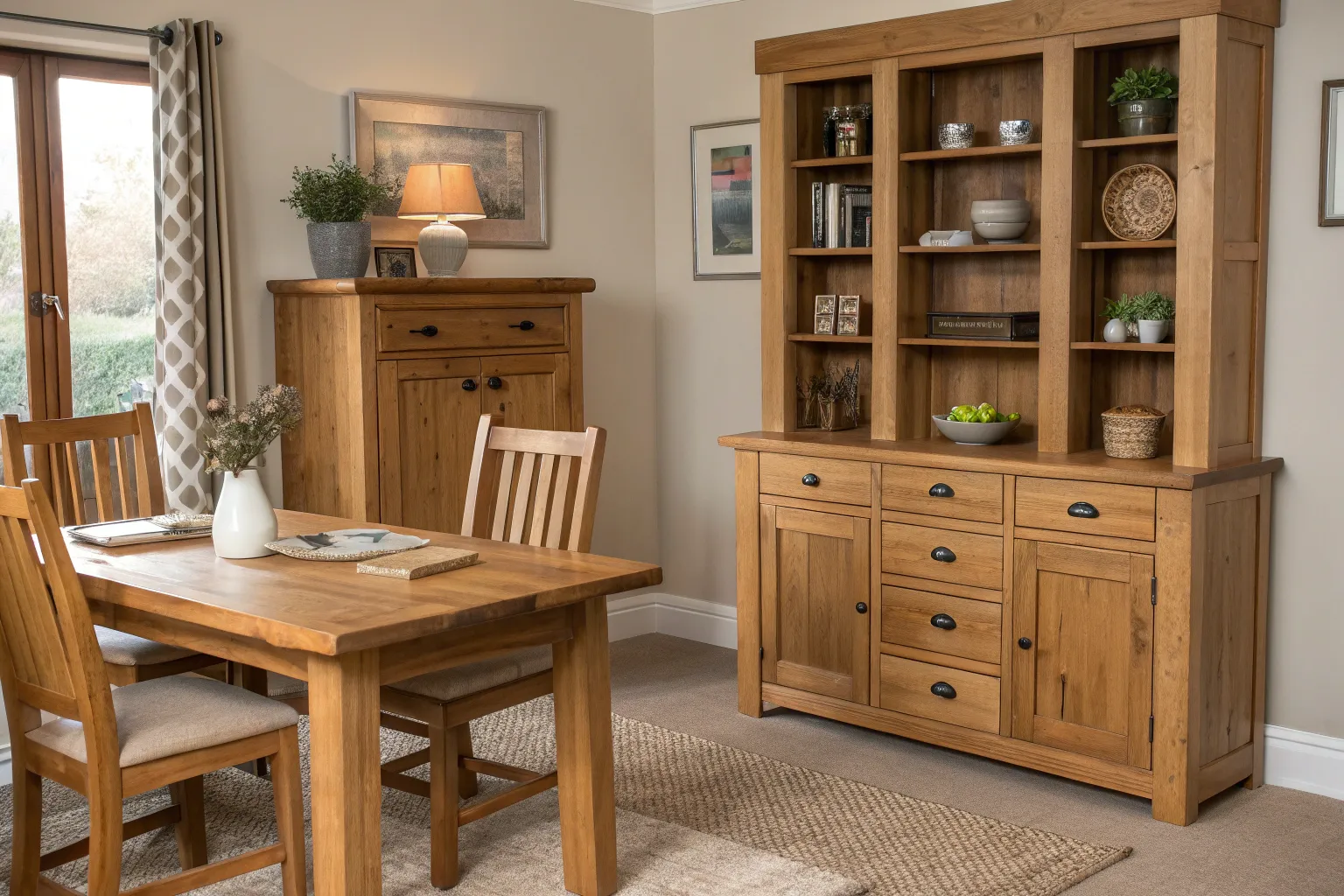
A wooden dining table becomes truly inviting when paired with a natural fiber rug beneath it, linen placemats, wooden chair frames with upholstered seats, and a metal or ceramic centerpiece. Each layer—each texture—adds information and interest that single materials cannot.
Texture Layering Strategy by Room
| Room | Wood Foundation | Stone/Earth | Textiles | Metal Accents |
|---|---|---|---|---|
| Living Room | Walnut furniture + flooring | Marble or slate accent | Linen sofa, wool throw, jute rug | Brass lamps, black frames |
| Bedroom | Light oak bed frame, dresser | Concrete nightstand or stone | Linen bedding, wool blanket, cotton curtains | Brushed brass sconces |
| Dining | Mixed wood (oak table, cherry chairs) | Slate flooring or stone tile | Natural linen napkins, wool runner | Copper or bronze chandelier |
| Kitchen | Light woods (maple cabinetry) | Natural stone countertops | Linen hand towels, cotton curtains | Stainless steel hardware or brass pulls |
Mixing Wood with Metal: Contemporary Balance
One of the most practical and visually striking design moves is combining wood with metal. This partnership grounds contemporary and industrial aesthetics, adding visual interest without introducing clashing colors.
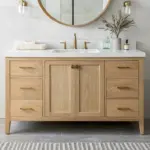
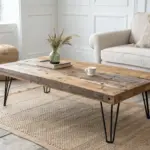
The key is intentional contrast. A live-edge walnut table with a powder-coated matte-black steel base feels current and collected. Whitewashed pine furniture with wrought iron legs reads bohemian and romantic. Light oak cabinetry with brushed brass hardware feels warm and refined.
The principle: let one material lead. If wood is the dominant visual element, use metal strategically—in furniture legs, hardware, lighting, or subtle framing. If metal is your statement (exposed beams, geometric shelving), use warm wood to soften its industrial edge.
Color pairing matters: warm woods pair with warm metals (brass, bronze, rose gold, copper), while cool woods partner with cool metals (chrome, brushed steel, stainless steel). Neutral woods like walnut can work with either, giving you flexibility.

The Case for Reclaimed and Sustainable Wood
I increasingly encounter designers and homeowners choosing reclaimed wood, and it’s not merely trend-chasing. There’s something profound about living with timber salvaged from old buildings—each board carries visible history, authentic aging, and a story that cannot be manufactured.
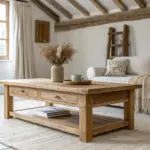
Reclaimed wood works beautifully as feature walls, floating shelves, dining table tops, or accent furniture. Its weathered patina pairs naturally with industrial metals and contemporary art, or it can feel rustic and grounding with softer textiles and warm lighting. The sustainability angle matters too: you’re extending the life of existing materials, reducing deforestation pressure, and often supporting artisans or salvage operations with genuine environmental commitment.
Lighter reclaimed woods (salvaged pine, ash) feel casual and cottage-like. Darker reclaimed woods (vintage oak, chestnut) feel more sophisticated and architectural. Most reclaimed suppliers offer pieces in various grades—some heavily weathered and distressed, others showing only subtle aging.
The investment is higher than new wood, but longevity, sustainability, and uniqueness justify the cost for many of my clients who view their homes as long-term environments, not temporary staging grounds.
Wood in Every Room: Practical Applications
Living Rooms: Comfort Through Richness
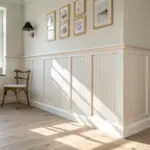
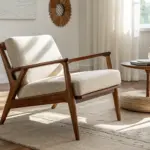
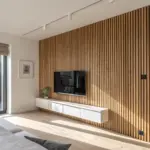
Living spaces benefit from wood’s ability to feel both substantial and warm. I typically recommend either a significant furniture anchor (walnut sectional or oak media console) or a feature wall. Reclaimed shiplap or slatted paneling adds textural interest without overwhelming because the room can remain open and airy around it.
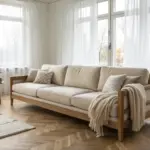
Pair darker woods with soft, neutral upholstery; let the wood do the visual work while furnishings provide comfort. A walnut side table beside a cream linen sofa, a natural wood frame with soft abstract art—these combinations feel collected and intentional.
Bedrooms: Invitation to Rest
Bedrooms call for softness, and wood can deliver this when chosen thoughtfully. Pale maple or whitewashed ash bed frames feel contemporary and calming. Light cherry or soft oak dressers create focal points without heaviness. Reclaimed wood accents—a rustic wooden ladder for blanket storage, a salvaged wood shelf above a nightstand—add character without visual weight.
Finish matters: matte or satin finishes feel more restful than gloss. The 60-30-10 rule works beautifully here too—let wood furnishings be your 60%, choose soft cool or warm neutrals for walls (30%), and add color through bedding and art (10%).
Kitchens: Function Meets Warmth
Kitchen wood choices must balance beauty with practicality. Water-resistant species like teak or cedar work beautifully in kitchen cabinetry, open shelving, and butcher-block countertops. Light woods (maple, ash) feel contemporary and bright; darker woods (walnut, cherry) create intimate, sophisticated kitchens.
Hardware and finishes matter enormously here. Matte finishes hide fingerprints; brushed metal hardware feels warmer than shiny chrome. Consider wood open shelving paired with stainless steel appliances and natural stone countertops—this combination feels balanced and current.
Bathrooms: Moisture-Conscious Beauty
Bathrooms present real challenges (humidity, splashing water), which means material choice is non-negotiable. Teak and cedar naturally resist moisture. Alternatively, sealed or oiled finishes on hardwoods can work if you accept that regular maintenance is required.
Smart approaches include wooden vanities (accepting they’ll age visibly, which many embrace as character), wood shelving paired with practical finishes, or wood accents like mirrors with wooden frames. Pale woods feel spa-like; darker woods create intimate, hotel-like luxury.
Wood and Wellness: The Science of Feeling Better
There’s a reason people feel drawn to wood—it’s not merely aesthetics or familiarity. Research increasingly confirms that exposure to natural wood genuinely affects our nervous systems.
Studies show that simply being in wooden environments lowers blood pressure, slows heart rate, and activates the parasympathetic nervous system (the “rest and digest” response). The effect is measurable: hospital patients in rooms with visible wood grain report lower stress, faster recovery, and more positive emotional responses than patients in synthetic environments.
Wood emits natural compounds called terpenes—the same volatile organic compounds that create the distinctive forest scent during “forest bathing.” While indoor wood releases these compounds subtly, the effect persists. Additionally, wood’s cellular structure allows it to regulate interior humidity, creating physiologically comfortable environments.
This matters for your home. A bedroom lined with soft wood tones isn’t just lovely—it’s actively supporting better sleep. A living room with wooden furniture and natural fibers isn’t merely styled—it’s creating a space where your nervous system genuinely relaxes. A kitchen with wooden open shelving isn’t just functional—it’s contributing to the ease and comfort with which you move through daily rituals.
This is why I recommend combining wood with living plants whenever possible. The biophilic research is clear: rooms with both wood and plants create the strongest wellness benefit. A simple wooden shelf holding potted plants, a wooden side table with a trailing philodendron, a console topped with a mix of wooden objects and living succulents—these combinations create spaces that genuinely support well-being.
Living with Wood: Practical Care and Maintenance
Beautiful wood deserves straightforward maintenance. The goal isn’t perfection but rather aging gracefully.
Prevention is primary. Position wooden furniture away from direct sunlight (which fades color inconsistently), heating vents, and cold air conditioning units (which cause wood to expand and contract, creating stress). Maintain indoor humidity between 40-60%—too dry and wood cracks; too humid and it swells.
Daily care is simple: dust weekly with a soft, lint-free cloth, moving along the wood grain. For wooden furniture, use coasters under drinks, placemats under dishes, and felt pads beneath objects that rest on surfaces. These small gestures prevent 90% of damage.
Periodic conditioning keeps wood nourished. Once monthly or seasonally, apply furniture polish or natural oil—beeswax-based products work beautifully—using a soft cloth. This replenishes the wood’s natural oils and maintains its subtle sheen. Avoid silicone-based polishes, which create buildup and residue.
Deep cleaning requires only mild dish soap and water. Dampen a cloth (never saturate), wring thoroughly, wipe following the grain, then immediately dry with a clean cloth. Excess moisture is wood’s enemy—trapped water causes staining, swelling, and eventual rot.
Seasonal adjustments matter. In dry winters, run a humidifier near wooden pieces. In humid summers, ensure adequate air circulation. Rotate decorative objects on wooden surfaces occasionally to prevent uneven fading.
Bringing It Together: Your Wood Selection Process
Choosing timber for your home isn’t actually complicated—it requires only honest reflection on three things: How do I live? (busy household with kids and pets calls for durability; quiet adult home allows for more delicate pieces), What feeling do I want? (warmth and casualness suggests softwoods and light finishes; sophistication and depth suggests hardwoods and medium-to-dark tones), and What’s already in my space? (your existing color palette, metal finishes, and architectural style should guide choices).
Start by observing rooms in magazines, books, or people’s homes that resonate with you. Notice the wood species and finish. Notice what they’re paired with. This intuitive gathering creates your visual reference library.
Then assess your space: Is it naturally bright or does it need visual warmth? Is your style contemporary or traditional (or hybrid)? Do you prefer busy surfaces or calm simplicity? These answers narrow your options considerably.
Finally, when you’ve identified 2-3 species and finishes that appeal, spend time with actual wood samples in your space—in your lighting, near your paint colors, beside your existing furnishings. Wood’s appearance changes dramatically under different light. What looks perfect in a showroom might feel too dark in your north-facing living room, or too light next to your existing cabinetry.
Wood isn’t a one-time decision. It’s an invitation into a long relationship with a natural material that will deepen, age, and become more itself over years and decades. That’s precisely what makes choosing timber such a privilege—you’re not selecting an object, you’re inviting a living story into your home.