
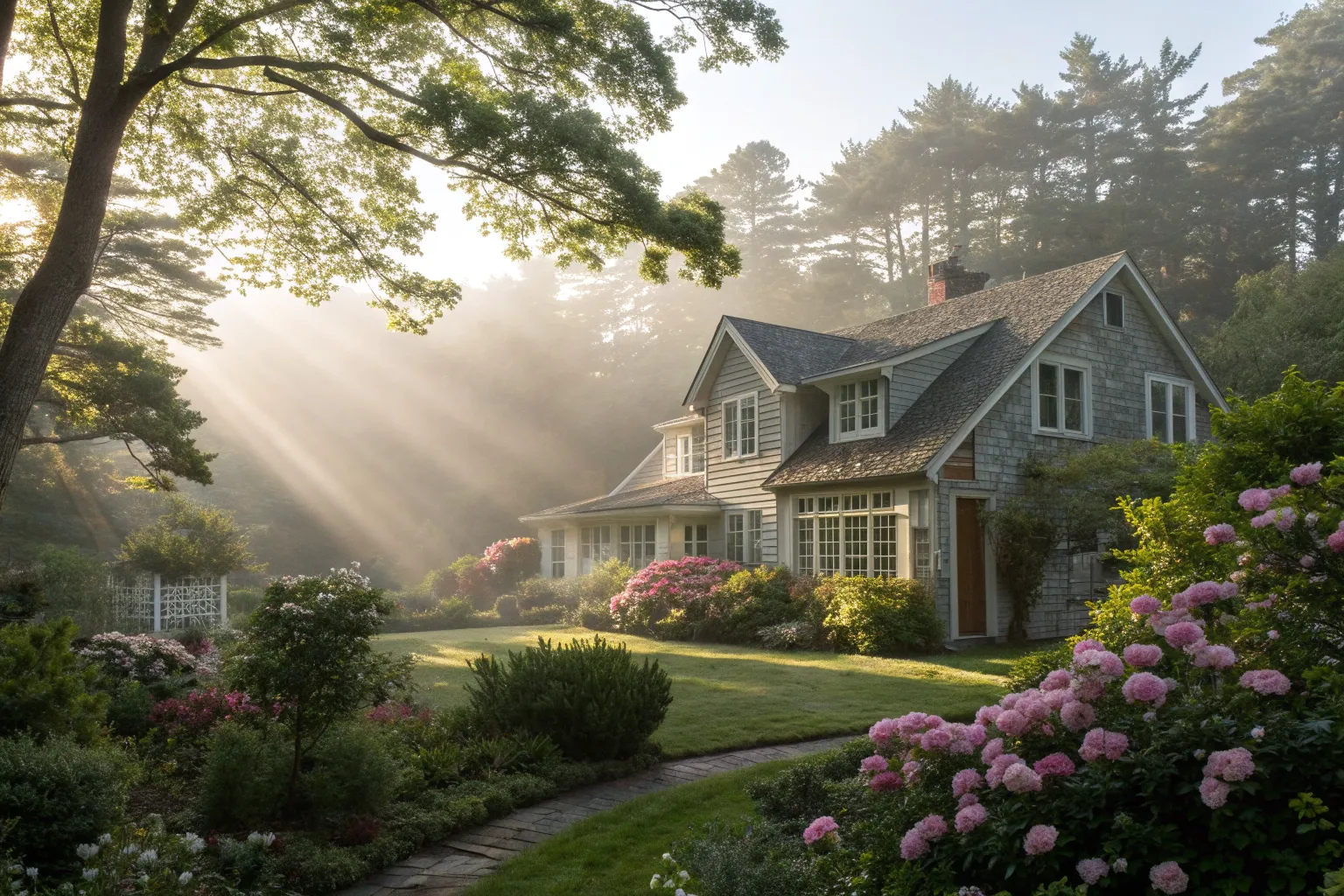
When we learn to read weather conditions like the sun’s path or the flow of air through a space, design begins to feel less like styling—and more like collaboration with nature.
Understanding the Weather as a Design Partner

Light and air are two of the most powerful, invisible designers in any home. They affect how wood ages, how colors appear, and even how comfortable a room feels year-round. When you plan interiors as though you’re working with these forces instead of resisting them, the result is an authentic, balanced environment that evolves naturally with the seasons.
I’ve learned that even subtle shifts in sunlight or temperature gradients can completely change how a wooden surface looks and lasts. Oak, for instance, deepens into golden tones with prolonged light exposure, while walnut remains moodier if shaded. Each species, finish, and grain has its own dialogue with the elements.
Step One: Map the Sun

The sun moves differently depending on region and season, so observing your interior through the course of a day is the starting point. In most American homes, the following holds true:
| Exposure | Best Use | Light Quality | Recommended Materials |
|---|---|---|---|
| North-facing | Workspaces, dining areas | Cool, diffuse | Ash, maple, light stains |
| East-facing | Bedrooms, breakfast nooks | Soft morning light | Bamboo, beech, natural linen |
| South-facing | Living rooms, reading corners | Warm, consistent | Oak, walnut, clay plaster |
| West-facing | Entryways, studios | Intense afternoon glow | Teak, rattan, muted fabric tones |
Tip: Keep a light journal for one week. Sketch how the sunlight lands on your main surfaces at different times of day. Patterns often reveal themselves only after a few days of observation.
Once you know your light pattern, you can use reflections and absorptions to your advantage. Matte wood finishes soften glare, while oiled or satin surfaces reflect more light into central zones. By alternating these finishes, you can “sculpt” brightness in a room without adding artificial fixtures.
Step Two: Invite the Wind

Airflow often determines whether spaces feel invigorating or stagnant. Traditional carpenters understood this intuitively—wood framing and joinery allowed small air exchanges that kept humidity steady and surfaces breathing.
To plan with airflow:
- Locate cross-ventilation paths. Openings on opposite sides of a room allow air to pass through freely. Align windows or vents to support these channels.
- Use furniture to shape wind. High-backed benches or shelving can redirect drafts gently upward, avoiding harsh currents at sitting height.
- Balance humidity naturally. Wood absorbs and releases moisture. A combination of indoor plants and untreated timber helps regulate microclimates without heavy HVAC use.
The goal isn’t constant breeze—it’s equilibrium. If one side of the room gets heat buildup from midday sun, guide airflow diagonally across it with operable transoms or interior shutters.
Designing With Wood and Weather Interaction in Mind

Wood changes subtly in response to sunlight and airflow. Rather than seeing it as a flaw, treat it as storytelling. Here’s how to design for these dynamics:
- Choose finishes that breathe. Natural oils and waxes protect against dryness while allowing slight expansion and contraction. Avoid thick polyurethane in high-sun areas—it can trap heat and lead to surface cracking.
- Layer light-responsive tones. Combine pale woods (maple, ash) with darker accents (walnut, oak) in varying exposures. The natural patina that develops adds depth and authenticity.
- Position furniture strategically. Floating wooden pieces slightly away from exterior walls reduces uneven fading.
- Integrate shading devices. Interior wooden slats, sliding panels, or woven blinds made of reed or bamboo maintain airflow and filter light rhythmically throughout the day.
Personal note: In my own studio, I positioned a low walnut console beneath an east window. Over time, the edge that catches morning light has mellowed into a honeyed hue—a quiet reminder that design continues beyond the day of installation.
Step Three: Balance Comfort, Texture, and Temperature

Natural materials respond to environmental cues. Their tactile qualities—warm in winter, cool in summer—help harmonize thermal comfort indoors.
Consider:
- Thermal mass. Thick wood surfaces (like solid counters or timber-clad walls) store heat during the day and release it slowly at night.
- Vertical zoning. Warm air rises, so try installing ceiling fans or patterned wooden screens to help mix air layers evenly.
- Seasonal adaptability. Use reversible textiles (wool-cotton blends or braided jute) alongside wooden furniture to adjust the sensory tone of a space with temperature shifts.
A Practical Mini-Project: Sun + Wood Wall
Create a climate-responsive accent wall by using strips of mixed wood species at different depths:
- Install a horizontal wooden batten system on a south-facing wall.
- Use alternating species (ash, cherry, walnut) to vary color and density.
- Seal with breathable oil, not lacquer.
- Let sunlight gradually deepen the tones—turning the wall into a living record of time and light.
This project nurtures awareness: you’ll begin noticing how each plank responds differently to daylight, echoing the rhythm of the seasons.
Embracing the Changing Home
Weather teaches humility in design. We can guide conditions but never fully control them—and that unpredictability gives interiors their soul. Wood, sunlight, and air together create what no decorator alone can: a home that feels alive and responsive.
The more closely we listen to what the sun and wind are telling us, the more gracefully our spaces will age—and the more our homes reflect not only our style but our sensitivity to the natural world.