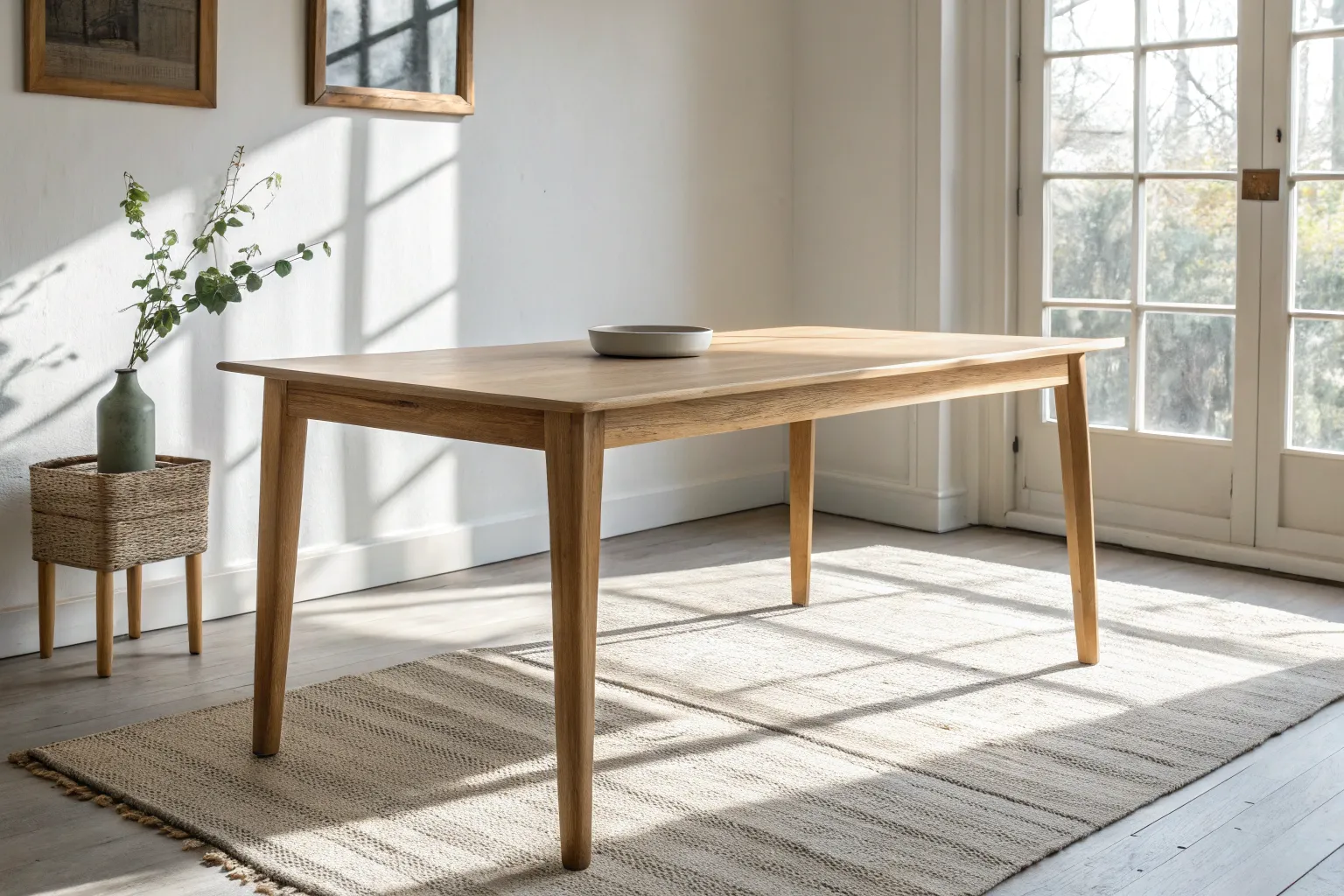
Japandi dining rooms are my favorite kind of calm—clean Scandinavian lines softened by Japanese-inspired warmth and restraint.
Oversized Paper Lantern Pendant

Nothing says Japandi dining room to me like a big paper lantern pendant centered over the table. I swapped one in over my own dining setup and the glow instantly made every meal feel calmer.
A few relevant products:
- Large Round Paper Pendant Shade: Create a soft, inviting glow over your table with a classic white paper shade that radiates calmness.
- Textured Ceramic Vase: Arrange dried botanicals in a matte ceramic vase to echo natural Japandi textures on your tabletop.
- Linen Table Runner: Add a layer of warmth and sophistication to your wood table with a simple, natural fabric runner.
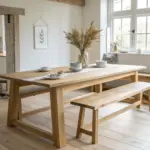
Light Wood Dining Table as the Anchor

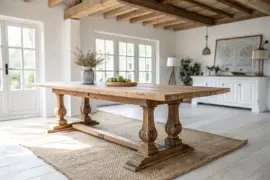
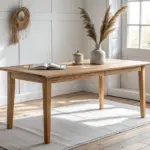
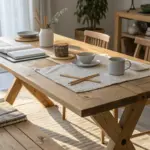
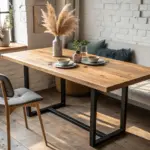
When I’m building a Japandi dining room, I start with a light wood table in a matte finish because it instantly brightens the whole space. I’ve found that simple legs and a thin top look the most “quiet,” even in a busy household.
You might like:
- Solid Oak Dining Table: Anchor your minimalist dining space with a natural wood table featuring clean lines and sturdy construction.
- Organic Linen Table Runner: Add texture and softness to hardwood surfaces with a natural, fringed runner that complements earthen tones.
- Ceramic Stoneware Vase: Bring nature indoors by displaying fresh branches or greenery in a simple, textured ceramic vase.
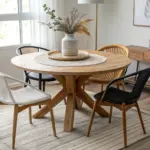
Clean-Lined Chairs in Wood and Linen

I love pairing streamlined wood chairs with linen seat cushions—it’s comfy without looking fussy. I’ve reupholstered thrifted chairs in oatmeal linen, and they suddenly felt perfectly Japandi.
You might give these a try:
- Oatmeal Linen Fabric by the Yard: Transform your existing or thrifted chairs with this natural, textured fabric for an instant Japandi refresh.
- Solid Wood Dining Chairs: Incorporate timeless design into your dining space with simple, sturdy wooden chairs ready for your table.
- Linen Tie-On Seat Cushions: Add softness to hard wooden chairs quickly with these simple, removable cushions in neutral tones.

A Bench on One Side

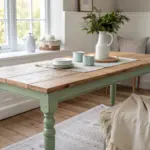
In a Japandi dining room, I’ll often use a wood bench on one side to keep the layout airy and flexible. I built one from salvaged oak once, and it made the whole room feel more open and social.
Possibly handy products:
- Solid Wood Dining Bench: Choose a simple wooden bench to open up your dining space and create a relaxed, communal atmosphere.
- Neutral Cotton Throw Blanket: Soften the hard lines of the wood by draping a textured, neutral-colored throw over the seat.
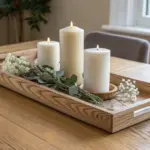
- Round Wooden Serving Tray: Add a functional decorative touch with a small wooden tray for candles or simple ceramics.
Soft Neutrals With One Dark Accent

My go-to Japandi dining room palette is warm whites, sand, and taupe with a single dark wood or charcoal piece to ground it. I tried this with a darker sideboard, and the contrast made the light woods look even richer.
A few suggestions:
- Dark Walnut Rattan Sideboard: Ground your dining space with a dark wood cabinet featuring cane details for rich, textural contrast.
- Textured White Ceramic Vase: Add height and organic texture to your buffet styling with a simple, elegant ceramic vessel.
- Brass And Glass Table Lamp: Illuminate your dark accent piece with a sleek lamp that blends modern lines with warm metallic touches.
Natural Fiber Rug Under the Table

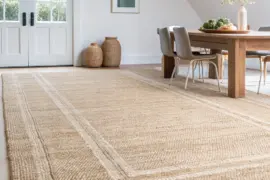
A jute or sisal rug adds that soft, grounded texture Japandi rooms do so well. I’ve used a low-pile natural fiber rug under a dining table and loved how it warmed up the wood without stealing attention.
Maybe worth checking out:
- Geometric Jute Area Rug: Anchor your dining space with this textured rug, adding warmth and visual interest through subtle geometric patterns.
- Braided Natural Fiber Rug: Introduce an artisanal touch to your floor with a braided weave that enhances the cozy, organic Japandi aesthetic.
- Non-Slip Rug Pad: Keep your natural fiber rug perfectly flat and secure in place while adding extra cushioning underfoot.
Slatted Wood Sideboard for Quiet Storage

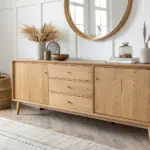
A low slat-front sideboard keeps a Japandi dining room tidy while adding subtle rhythm and texture. I’ve built slatted doors with simple vertical strips, and it’s one of those details people always notice up close.
Some ideas to consider:
- Oak Finish Slatted Sideboard Cabinet: Capture the Japandi aesthetic with a wooden cabinet featuring vertical slats for elegant, textured dining room organization.
- Matte Ceramic Vase for Dried Grass: Style your sideboard surface simply by adding a textured ceramic vase perfect for holding dried pampas grass.
- Natural Pampas Grass Bouquet: Bring softness to the clean lines of your furniture with a voluminous bouquet of natural dried pampas grass.
Open Shelves With Curated Ceramics

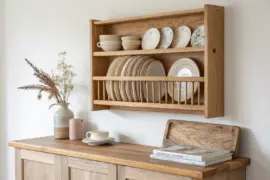
I like one set of floating shelves with just a few handmade bowls, cups, and a neutral vase—nothing crowded. When I style shelves, I always stop early, because the empty space is part of the Japandi dining room look.
May just do the trick:
- Floating Wood Shelves: Instantly add warmth and display space to your walls with these minimalist wooden floating shelves.
- Ceramic Stoneware Bowl Set: Create a curated look using these textured stoneware bowls, perfect for stacking or displaying individually.
- Matte Beige Minimalist Vase: Finish your shelf styling with a simple, sculptural beige vase that adds height and elegance.
Stone or Terrazzo Tabletop Moment

If you want a little polish, a stone-look top (or a stone slab insert) plays beautifully with pale wood. I helped a friend add a stone top to a simple base, and the dining room instantly felt more elevated but still minimal.
Give these a look:
- Round Stone-Look Dining Table: Anchor your Japandi dining space with a table featuring a sleek stone-effect top and warm wooden legs.
- Terrazzo Tray or Centerpiece: Introduce the speckled stone texture subtly with a decorative tray perfect for fruit or candle displays.
- White Ceramic Ribbed Vase: Complement the table’s solid surface with a textured white vase for holding minimal green branches.
Dried Branches as a Centerpiece

Instead of flowers, I reach for dried branches in a simple clay vase for that quiet Japandi dining room drama. I’ve foraged twigs after a windy day and it looked intentional in a way fresh bouquets never do.
A few choices to try:
- Textured Ceramic Vase: Choose a neutral, matte-finish vase to ground your centerpiece and perfectly complement natural wood tones.
- Faux Dried Decorative Branches: Add instant height and drama to your table with durable, realistic branches that require zero maintenance.
- Linen Table Runner: Soften your wooden dining table with a fringed linen runner for a cozy, organic foundation layer.
Shoji-Inspired Room Divider

A shoji-style divider is perfect when your dining area shares space with the kitchen or living room. I made a simple wood frame with translucent panels once, and it separated the dining zone without blocking light.
Might be a good match:
- Shoji Screen Room Divider: Create instant separation and soft light diffusion in your dining area with this traditional Japanese-style folding partition.
- Rice Paper Window Film: Transform existing glass doors or partitions into shoji-style accents easily with this adhesive, translucent privacy film.
- Light Tonewood Slats or Dowels: Build your own custom divider frame using these unfinished wood pieces to perfectly match your dining room’s dimensions.
Low-Profile Furniture for a Zen Feel

Japandi dining rooms look calmer when the pieces sit visually lower—think slimmer tables, lower sideboards, and minimal backs on chairs. I’ve noticed even a slightly lower bench instantly makes the room feel more grounded.
Explore these options:
- Upholstered Wood Dining Bench: Choose a minimal wooden bench to add seating without visually cluttering your space like traditional high-back chairs.
- Solid Oak Low Sideboard: Ground your dining area with a sleek, low-profile sideboard that provides storage while maintaining clean, horizontal lines.
- Jute or Wool Area Rug: Define your dining zone and soften the acoustics with a natural texture rug that complements light wood tones.
Linen Table Runner and Simple Place Settings

A linen runner and neutral stoneware is my favorite “done but not decorated” combo for a Japandi dining room. I keep mine slightly wrinkled on purpose because that soft imperfection feels right.
Products that could assist:
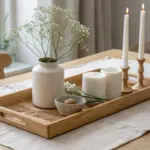
- Natural Linen Table Runner: Add texture and softness to your table with a natural runner that looks beautiful slightly wrinkled.
- Neutral Stoneware Cereal Bowls: Choose minimalist stoneware bowls in earthy tones to create an authentic, understated dining aesthetic.
- Wooden Cooking Chopsticks: Include simple wooden utensils to complement the natural materials and complete the warm, organic look.
Wabi-Sabi Wood Grain and Visible Joinery

I lean into knots, grain shifts, and clean joinery details because wabi-sabi is basically permission to let wood be wood. One of my best dining table builds had a tiny filled check, and it became the table’s signature.
A few helpful options:
- Natural Beeswax Wood Polish: Protect your table’s character and enhance the natural grain shifts without masking the wood’s inherent beauty.
- Live Edge Oak Dining Table: Embrace wabi-sabi directly with a solid wood table featuring natural knots, distinctive checks, and organic edges.
- Wood Filler and Repair Kit: Highlight or subtly stabilize natural checks and cracks in your furniture rather than hiding them completely.
Round Pedestal Table for Small Spaces

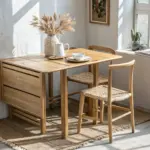
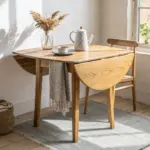
For a small Japandi dining room, a round pedestal table keeps traffic flowing and feels softer than sharp corners. I built a simple pedestal base once, and it made a tight nook feel like an actual “room.”
Some handy options:
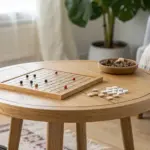
- Round Wooden Pedestal Table: Choose a solid oak or pine table to bring organic warmth and softness to your compact dining area.
- Minimalist Ceramic Vase: Add a simple, textured vase with greenery to create a calm focal point without cluttering the surface.
- Textured Linen Throw Blanket: Drape a soft linen or cotton throw over a chair to introduce cozy layers and tactile comfort.
Cane or Rattan Details to Lighten the Look

A little cane or rattan—like chair backs or cabinet doors—adds warmth without adding visual weight. I’ve repaired cane panels on an old dining cabinet, and it instantly read more Japandi than rustic.
These products might help:
- Cane Dining Chairs: Introduce airy elegance to your dining space with cane chairs that blend perfectly with minimalist Japandi aesthetics.
- Cane Webbing Roll: Refresh existing furniture by adding authentic cane webbing to cabinet doors or chair backs for instant warmth.
- Rattan Pendant Light: Hang a woven pendant light to create a soft, natural focal point that complements your cane seating.
One Large Abstract Artwork in Neutrals

I prefer a single neutral abstract print over a gallery wall in a Japandi dining room, because it keeps the energy calm. I tried a multi-frame setup once and it felt busy, but one oversized piece nailed it.
Items that may come in handy:
- Large Framed Abstract Canvas Art: Instantly create a calming focal point in your dining room with oversized, neutral-toned canvas artwork.
- Solid Wood Floating Frame: Elevate your existing canvas prints or paintings with a natural wood frame for that authentic Japandi aesthetic.
- Minimalist Ceramic Vase Set: Complement your artwork’s serene vibe by adding simple, textured ceramic vases to your dining table.
Built-In Banquette in Pale Wood

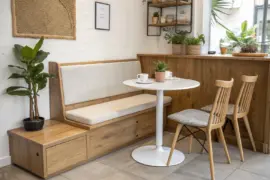
A built-in banquette is such a smart Japandi dining room move—clean lines, cozy seating, and you can hide storage underneath. I’ve built banquettes with lift-up lids, and it’s my favorite place to stash linens and serving boards.
Possibly helpful picks:
- Pillows with Textile Texture: Add comfort and texture to your banquette by layering neutral throw pillows for a cozy, inviting look.
- Stoneware Dinner Set: Enhance your table setting with minimalist matte stoneware plates that perfectly complement natural wood dining tones.
- Beige Wool Throw Blanket: Soften the wooden seating area by draping a lightweight wool throw for added warmth and relaxed elegance.
Acoustic Wood Slat Wall Behind the Table

A wood slat wall looks sculptural and also helps soften sound, which makes dinners feel more intimate. I installed slim slats behind a dining nook once, and the room instantly felt like a quiet little restaurant.
A few things you might like:
- Acoustic Wood Slat Wall Panels: Instantly add warmth and texture to your dining area while dampening noise with these easy-to-install decorative panels.
- Liquid Construction Adhesive: Ensure a secure, long-lasting installation of your wood panels without using nails by grabbing this heavy-duty adhesive.
- Laser Level Tool: Achieve perfectly straight vertical lines during installation to ensure your slat wall looks professionally finished and balanced.
Charred Wood Accent for Bold Contrast

For a surprising Japandi dining room twist, I’ll add one charred wood element—like a tray, wall shelf, or even table legs—for depth. I tested a lightly charred finish on scrap lumber, and the contrast against warm whites was unreal.
These products might be useful:
- Darkened Wood Serving Tray: Add instant depth to your table setting with this striking tray, perfect for organizing napkins, candles, or small dishes.
- Black Wood Decorative Bowl: Create a bold focal point by displaying seasonal fruits or decor items in this wonderfully textured, dark wooden bowl.
- Shou Sugi Ban Style Coasters: Protect your table while introducing subtle contrast with these dark, textured coasters that beautifully complement lighter Japandi surfaces.
Resin-Inlaid “River” Serving Board Display

If you want a wow detail that still feels Japandi, I like displaying one minimal resin-inlaid serving board (kept in smoky neutrals) on open shelving. I’ve made a few with subtle gray resin, and they add modern texture without breaking the calm vibe of the dining room.
Check these products out:
- Walnut & Epoxy River Serving Board: Display a striking resin-inlaid board to add modern texture and a natural touch to your open shelving decor.
- Ceramic Stone Vase for Dried Florals: Enhance the calm Japandi aesthetic by pairing your wooden boards with a textured, speckled ceramic vase for wheat stems.
- Natural Dried Wheat Stalks Bundle: Add soft height and organic warmth to your dining room display with a simple bundle of natural dried grasses.