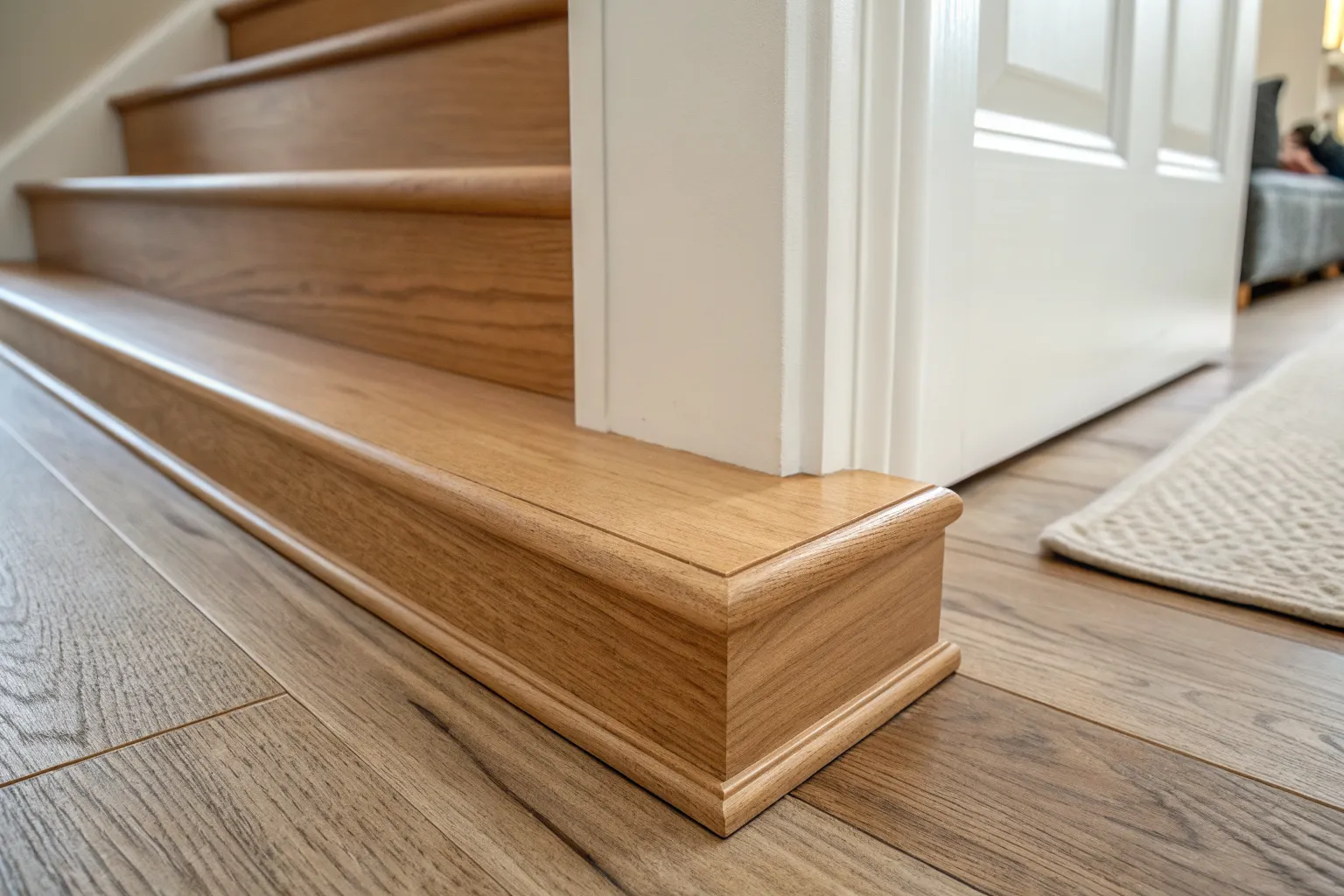
Baseboard transitions are where trim either looks custom and clean—or where every little gap and weird angle screams for attention.
Tapered Height Change Splice
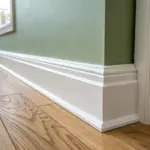
When two rooms have different baseboard heights, I taper a short transition piece so the change feels gradual instead of abrupt. I’ve used this baseboard height transition in remodels where one room kept original trim and the next got an upgraded profile.
These products might be useful:
- Coping Saw or Pull Saw: Achieve precise cuts for seamless splices with a fine-tooth saw designed for detailed trim work.
- Wood Filler or Putty: Create a smooth, invisible transition between spliced pieces by filling small gaps and sanding flat.
- Contour Gauge Duplicator: Easily replicate complex baseboard profiles to mark accurate cutting lines for your tapered transition pieces.
Return-to-Wall End Cap
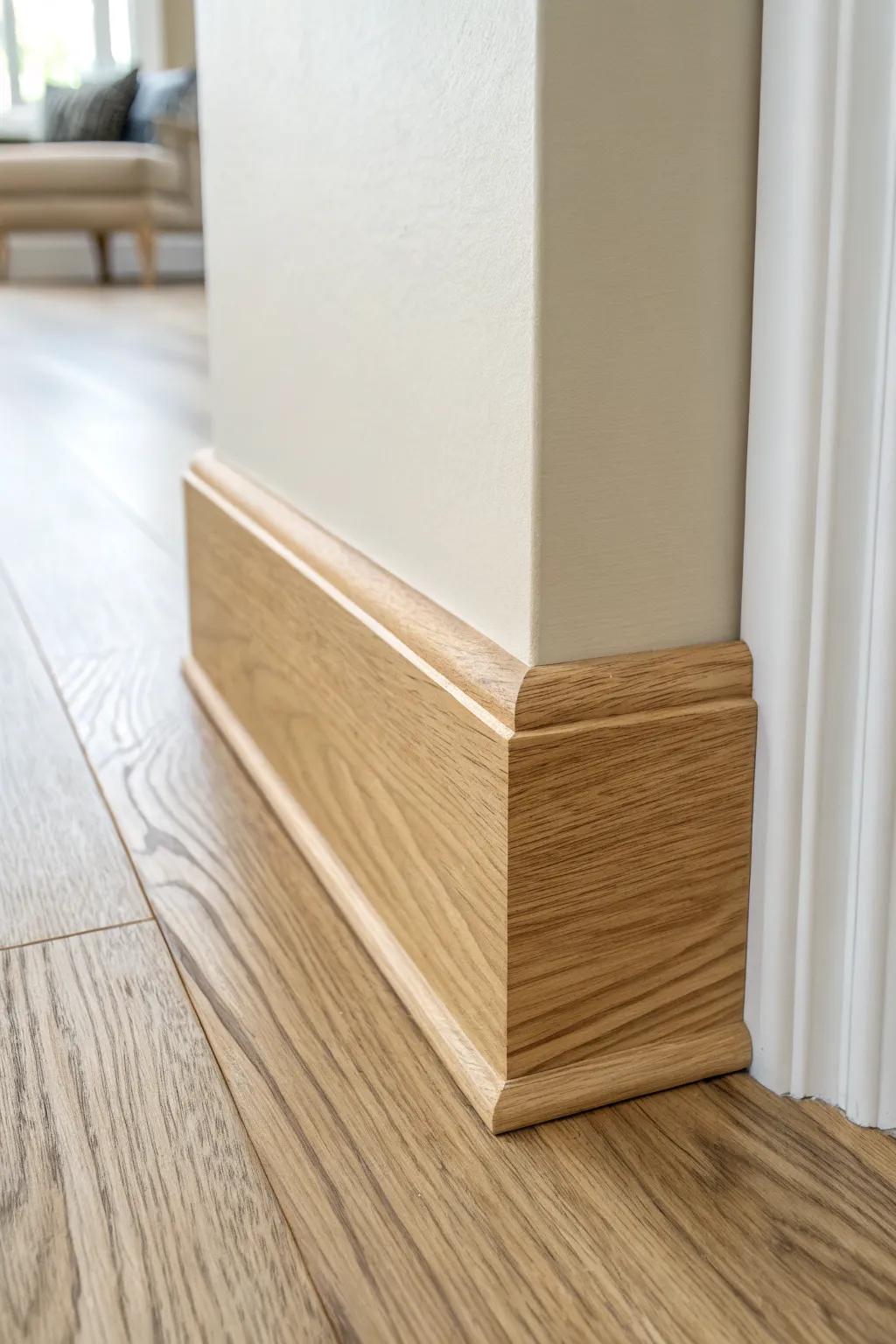
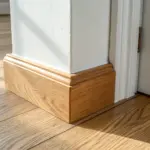
When a run needs to stop cleanly (like at an open doorway), I cut a 45° and glue a tiny “return” so the profile dies into the wall with a finished look. I’ve done this on countless makeovers, and that little return to wall trick instantly makes the end look intentional instead of chopped off.
You might like:
- Miter Saw with Laser Guide: Achieve precise 45-degree angle cuts for your baseboard returns to ensure seamless, professional-looking corners.
- Instant Bond Wood Adhesive: Secure small return pieces quickly without clamps using this fast-acting adhesive designed for trim work.
- Micro Pin Nailer: Attach delicate return caps invisibly without splitting the wood using ultra-fine pins for a flawless finish.
Stair Landing Blend Piece
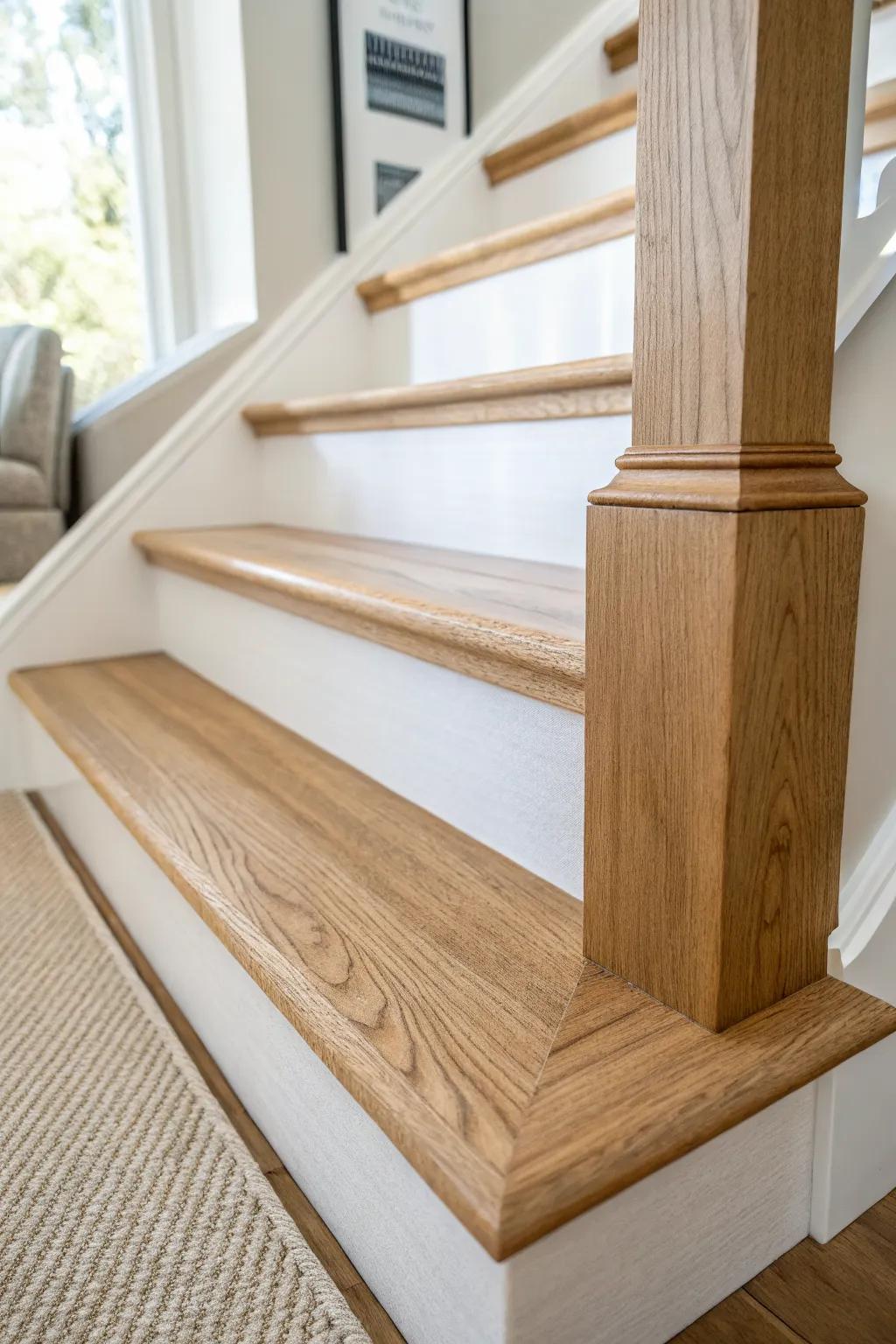
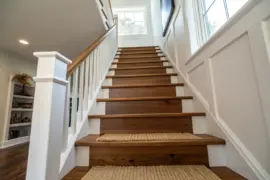
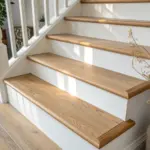
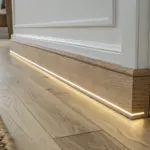
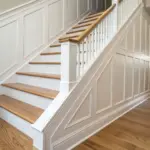
At the top of stairs, I like to “blend” the landing baseboard into the stair skirt board with a custom wedge so the flow feels continuous. The first time I tried it, it turned an awkward stair start into one of those details people point at and ask who did the trim.
Check if these fit your needs:
- Contour Gauge Duplicator Tool: Capture complex angles and curves instantly to transfer precise cutting lines directly onto your custom stair trim pieces.
- Bevel Gauge and Protractor: Measure non-standard angles accurately to ensure your custom wedge piece fits seamlessly between baseboard and skirt board.
- Wood Filler for Stainable Trim: Hide small gaps or nail holes in your new transition piece for a flawless, professional finish before staining.

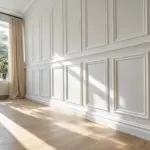

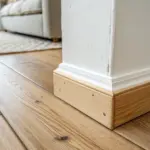
Coped Inside Corner Transition
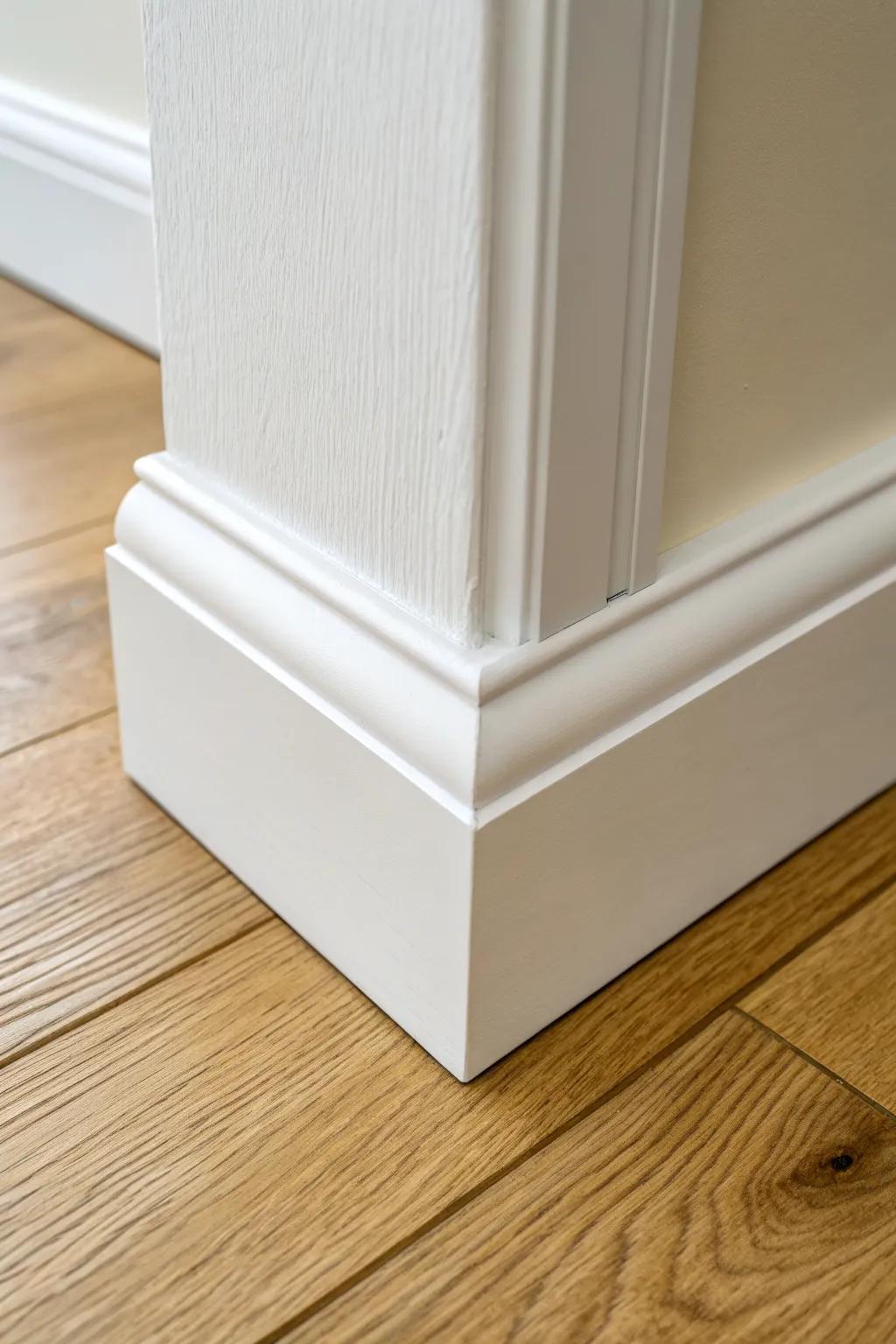
On inside corners, I cope one piece into the other so seasonal movement doesn’t open up a gap like miters love to do. I’ve watched my coped joint corners stay tight for years, even in older houses with imperfect walls.
Check these products out:
- Coping Saw with Blades: Create tight, gap-free inside corner joints that resist movement; an essential hand tool for precise coping work.
- Contour Profile Gauge: Easily duplicate intricate trim shapes to mark your cutting line, helping you achieve a perfect custom fit.
- Wood File and Rasp Set: Fine-tune your coped cuts by smoothing rough edges, ensuring the two molding pieces sit flush together.
Reinforced Outside Miter
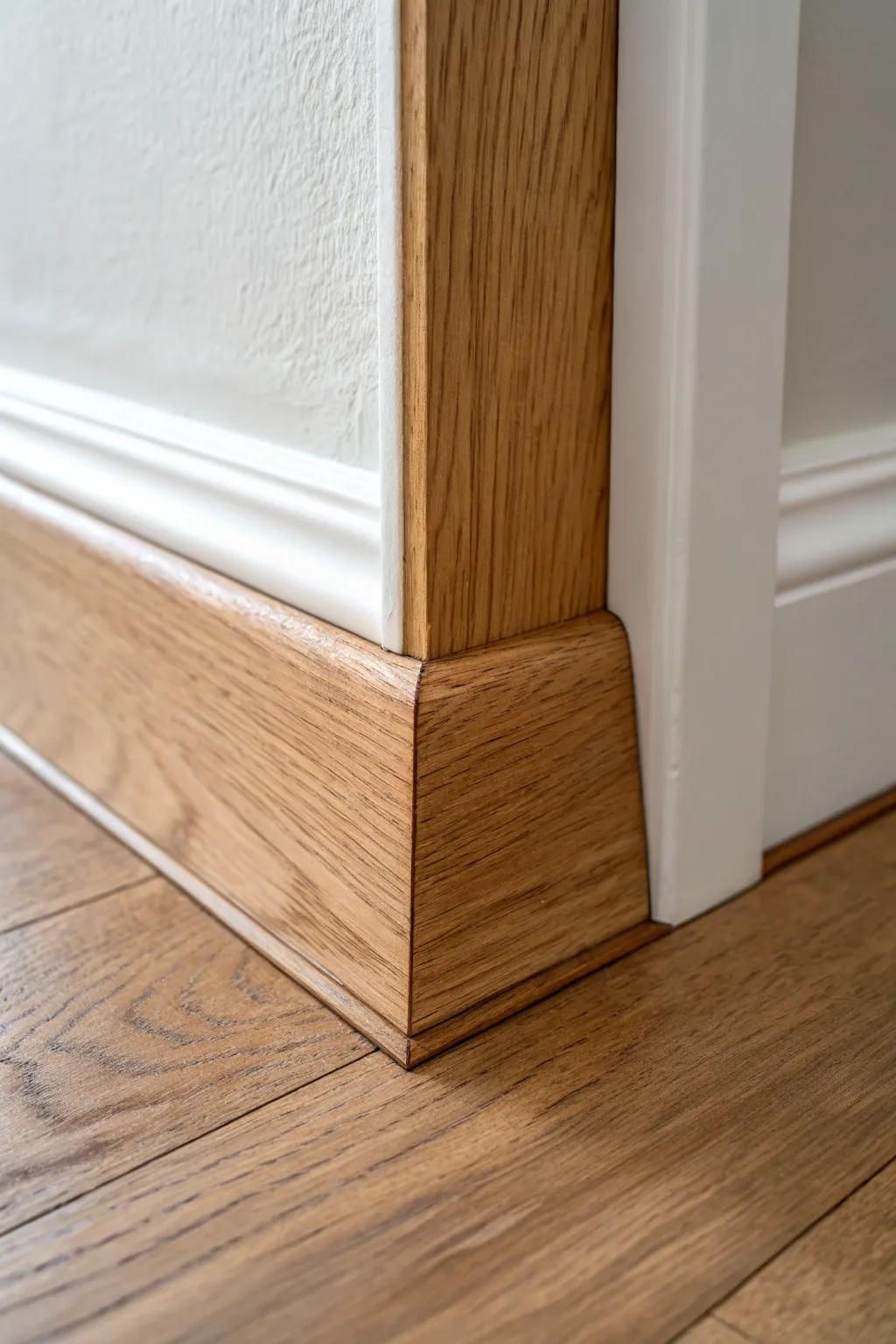
Outside corners get bumped, so I reinforce the outside miter with glue and a small spline or brad nails placed smartly. I started doing this after repairing too many popped corners, and it seriously toughens up that fragile point.
A few choices to try:
- Pneumatic Brad Nailer Kit: Secure your miter joints firmly without splitting the wood by using a precision brad nailer for lasting hold.
- Premium Wood Glue: Create a bond stronger than the wood itself to keep your mitered corners from ever popping open.
- Corner Clamps for Woodworking: Hold your corner pieces at a perfect ninety degrees while the glue dries for a seamless, professional finish.
Bullnose Corner Transition Block
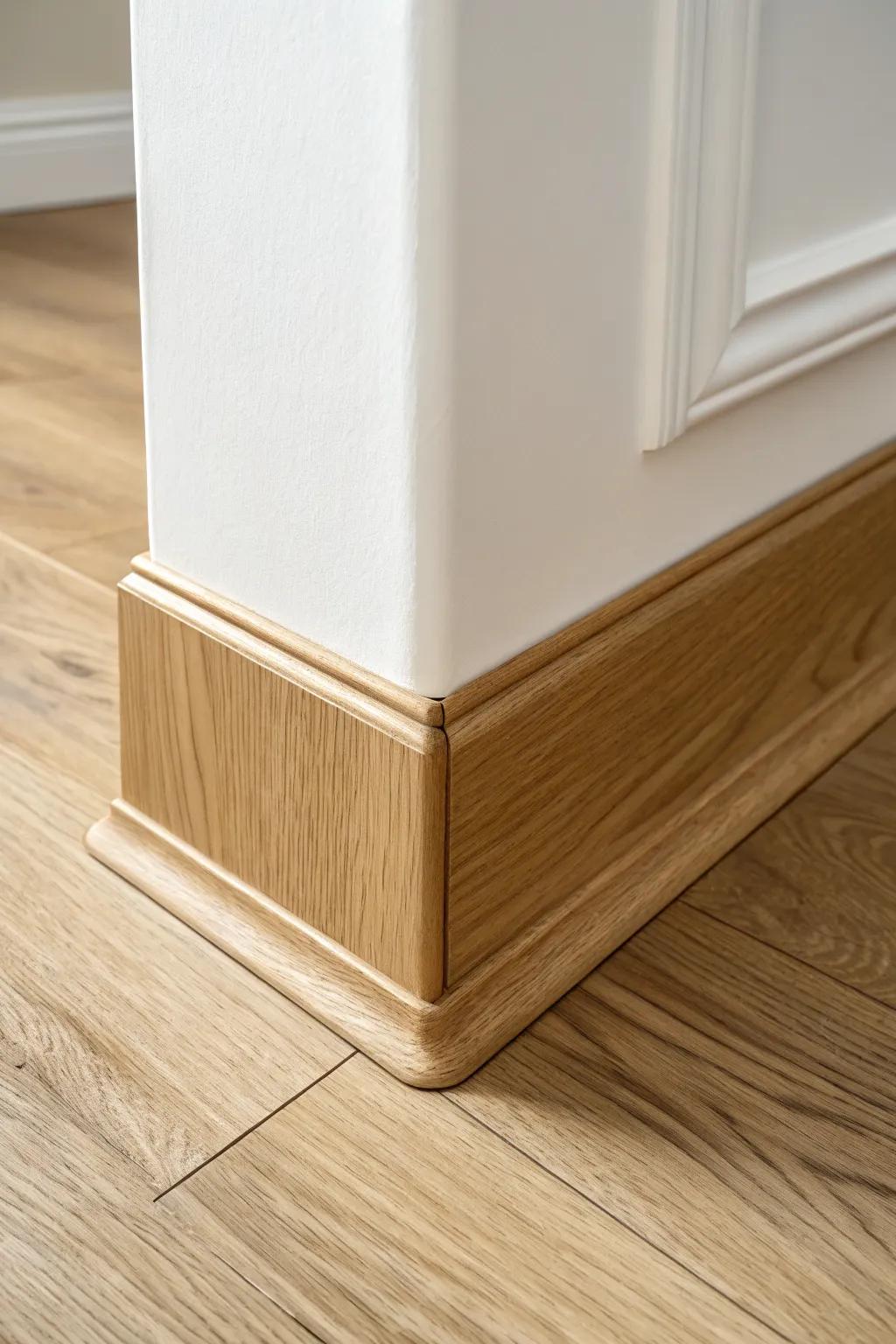
Rounded drywall corners need a different plan, so I make a small bullnose transition block (laminated and sanded to match the radius) and run the baseboard into it. I’ve done this in hallways where a miter would never sit right, and it looks clean from every angle.
Maybe worth checking out:
- Bullnose Baseboard Corner Blocks: Purchase pre-made radius blocks designed to fit rounded drywall corners for a quick, professional-looking baseboard finish.
- Contour Gauge Profile Tool: Use this tool to precisely copy the radius of your rounded wall corner to create custom-fitting blocks.
- Wood Glue for Joinery: Ensure a strong, lasting bond when laminating wood pieces together to craft your own custom transition blocks.

Terminal Block at Flooring Change
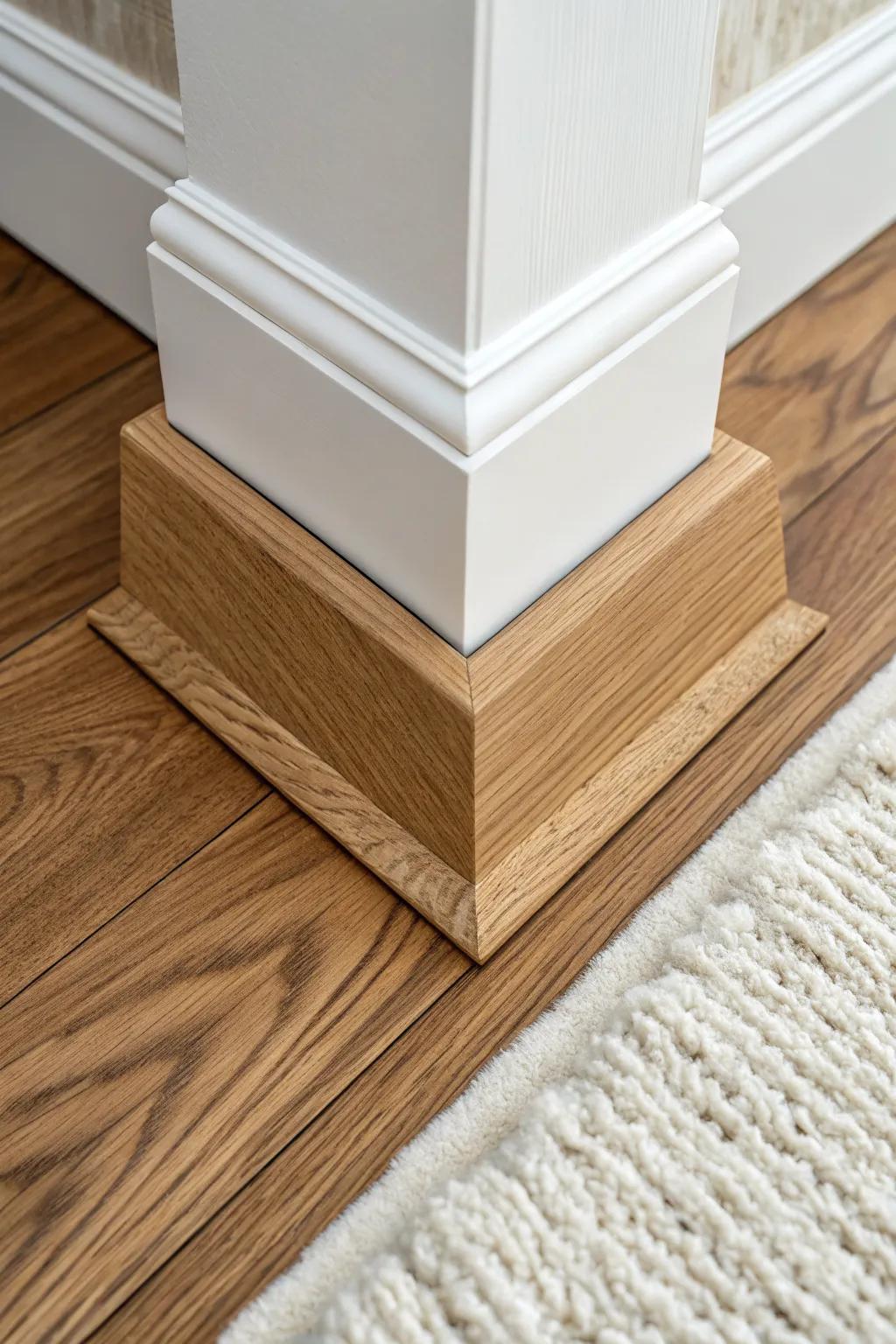
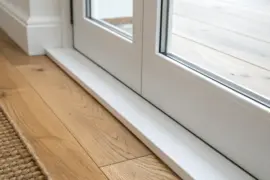
Where carpet meets hardwood (or vinyl meets tile), I’ll add a small terminal block so shoe molding can stop and start neatly without looking fussy. I’ve found this flooring transition approach saves me from weird tiny shoe-miter pieces that never look quite right.
Possibly helpful picks:
- Unfinished Hardwood Plinth Blocks: Use these wood blocks to create clean termination points for your baseboards; simply stain to match your floors.
- General Purpose Wood Stain: Apply a stain that matches your existing hardwood to blend your new terminal blocks seamlessly into the floor design.
- Brad Nailer Kit: Secure your terminal blocks and molding precisely without splitting delicate wood pieces during installation.
Continuous Top Line With Backer Shim
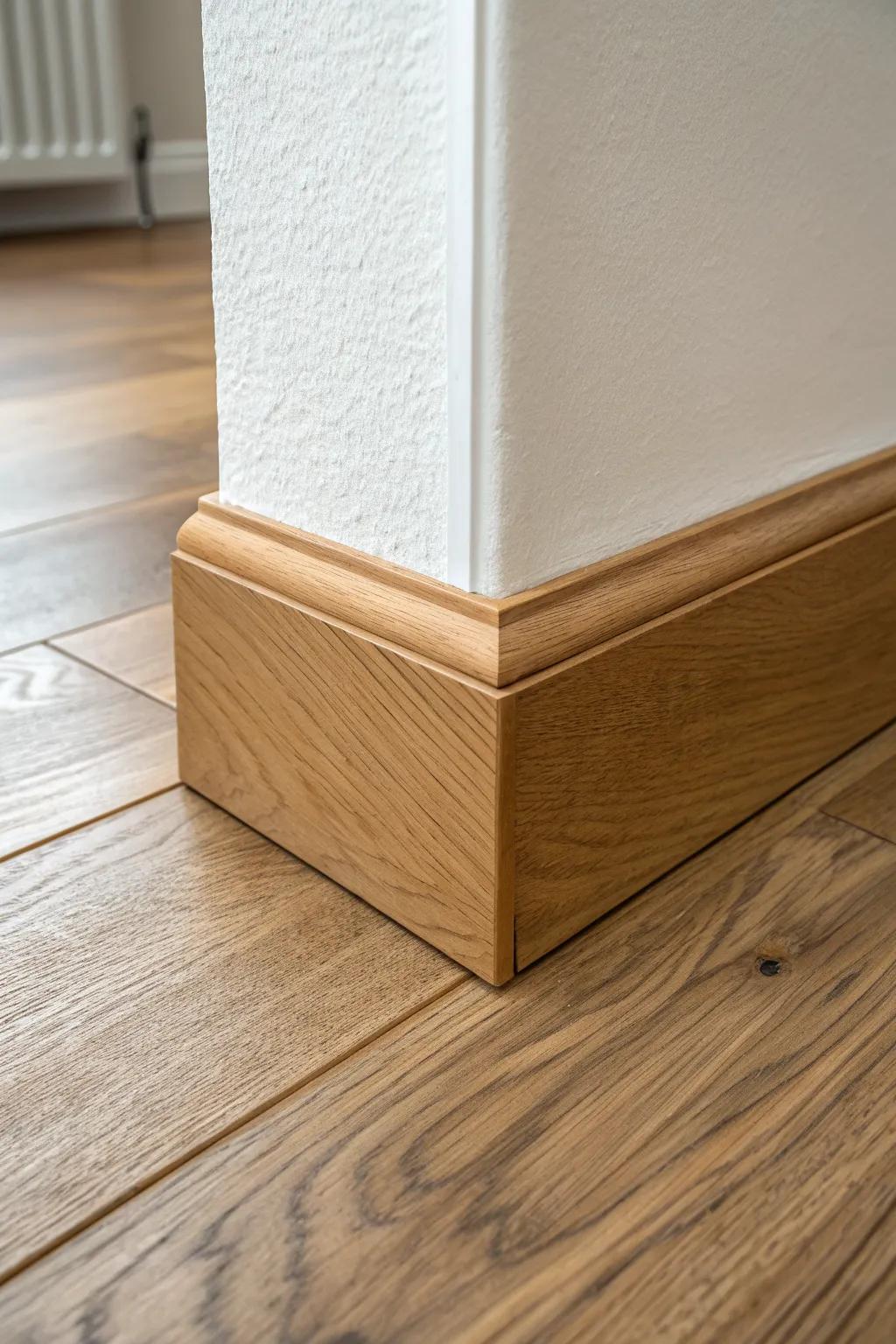
If one side sits higher (like thicker hardwood), I shim behind the lower-side baseboard so the tops align perfectly across the transition. I’ve done this trick when I wanted a seamless baseboard top line and didn’t want to rip boards down.
Consider these options:
- Composite Wood Shims: Use these durable, snap-clean shims to push your baseboard out just enough for perfect alignment.
- Construction Adhesive: Secure your shims and baseboards firmly in place without relying solely on nails for uneven gaps.
- Brad Nailer Kit: Fasten your baseboards cleanly through the shim and drywall for a secure, professional-looking hold.
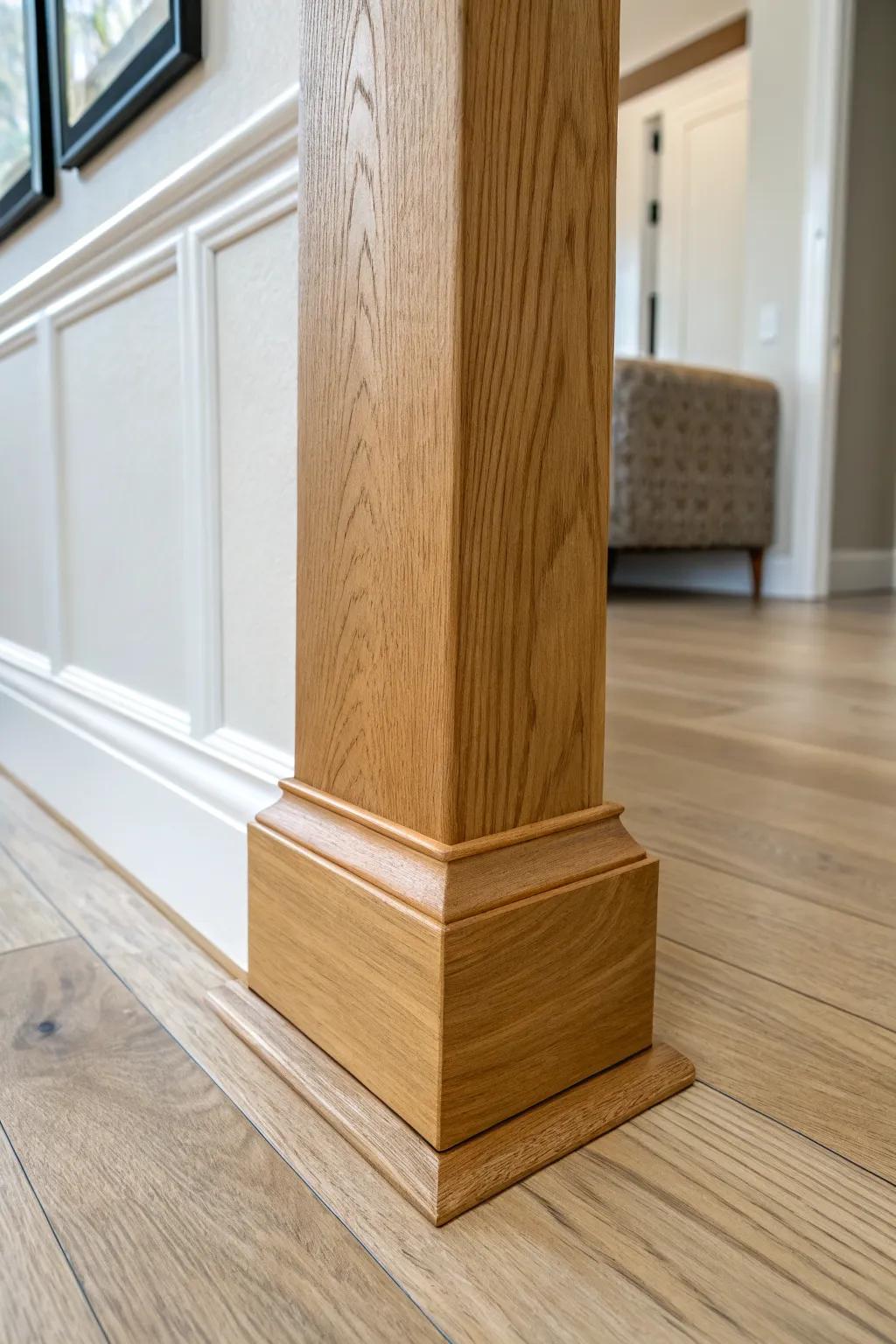
Wrap-Around Bump-Out Corner
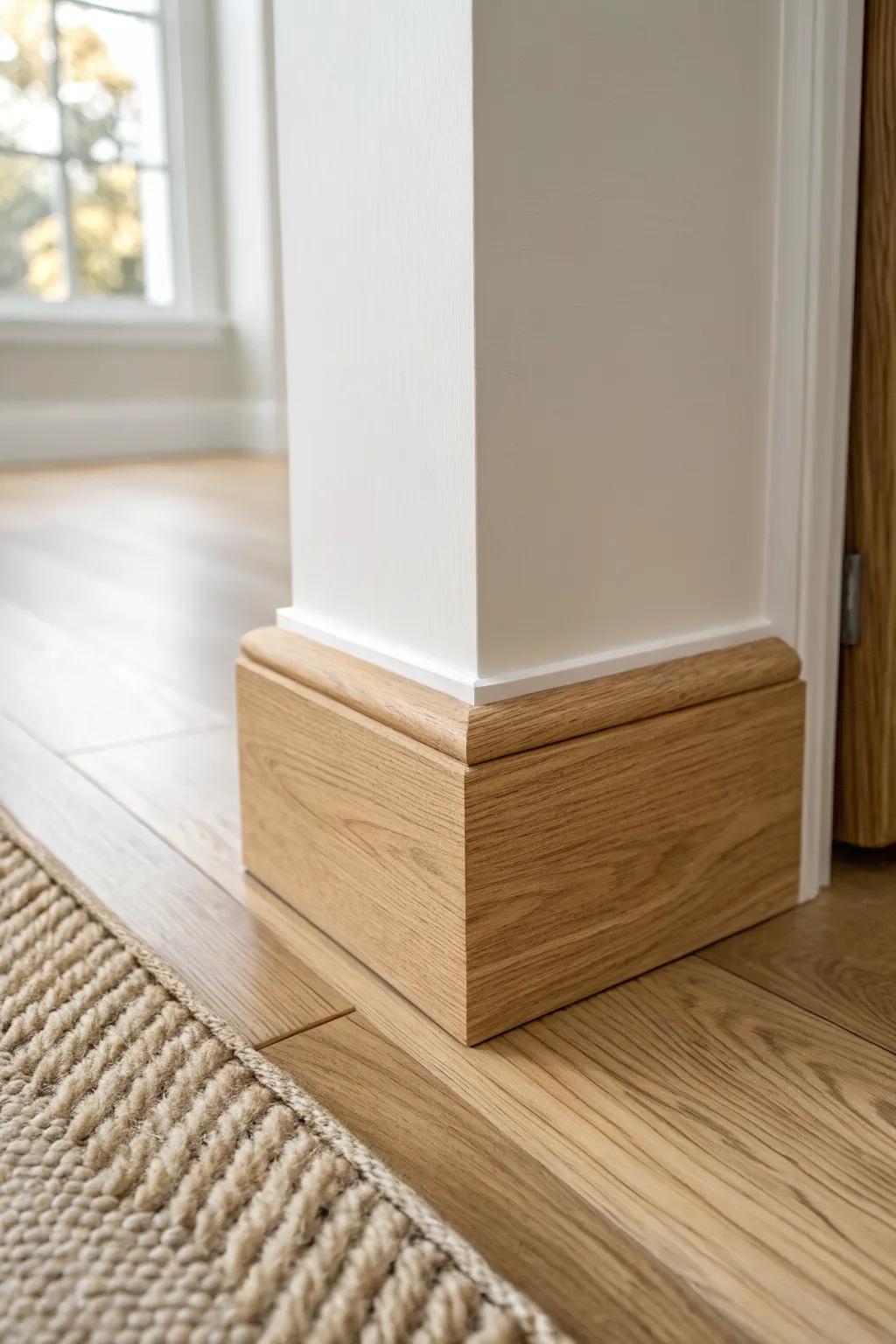
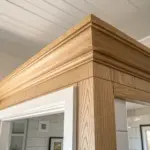
For little wall jogs, bump-outs, or boxed beams, I treat each face like its own run and use clean returns so the baseboard “wraps” like built-in cabinetry. I’ve used this wrap-around transition to make awkward wall shapes feel crisp and planned.
Products that could assist:
- Oak Wood Baseboard Molding: Choose solid oak molding to achieve the warm, high-end look of custom cabinetry shown here.
- Digital Angle Finder & Protractor: Ensure your corner cuts are perfectly tight by measuring precise angles before cutting your miter joints.
- Wood Putty in Natural Tone: Fill small nail holes or corner gaps seamlessly to maintain that clean, continuous wrap-around appearance.
Raked Baseboard at Stair Stringer
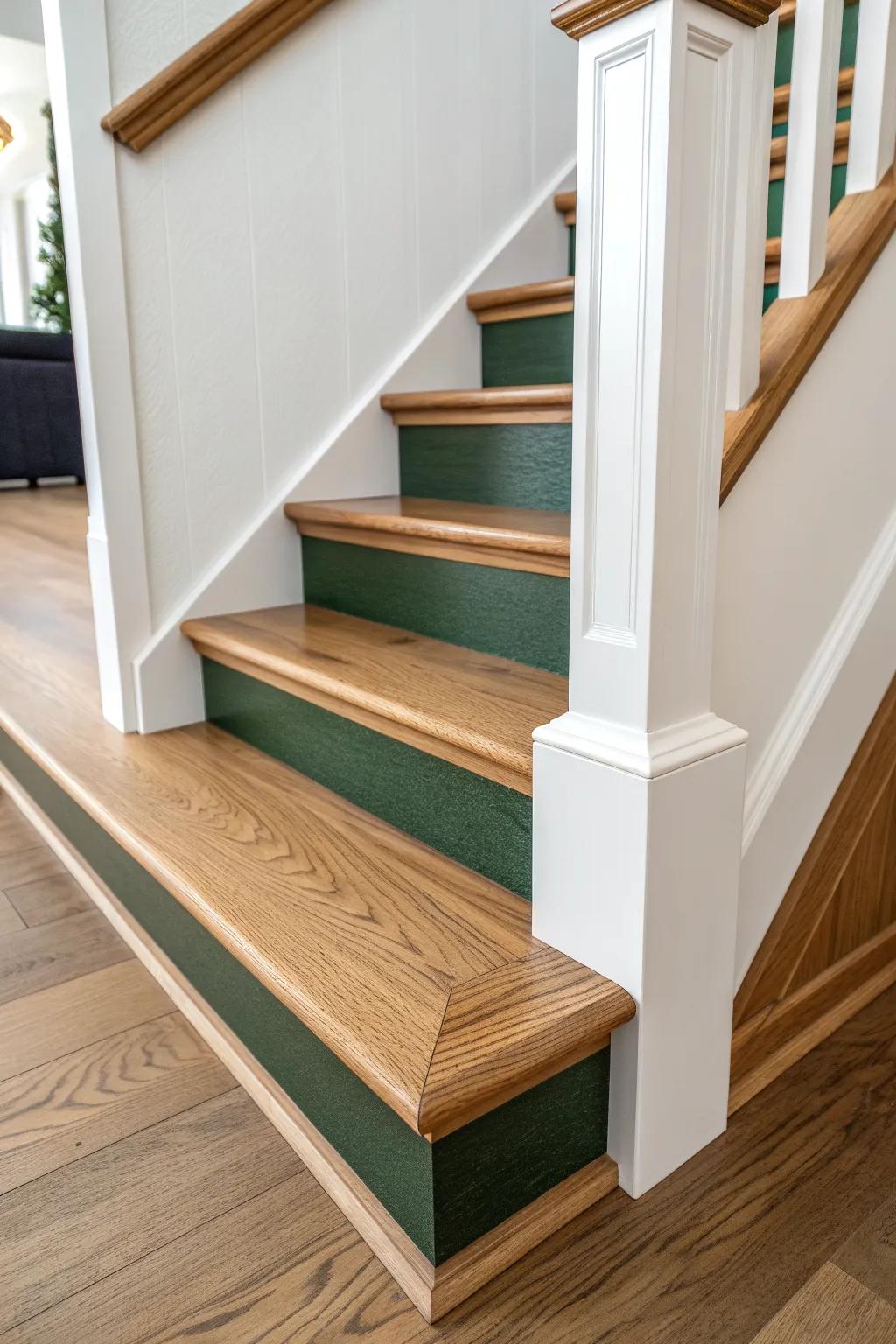
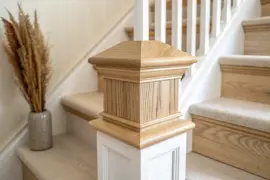
If the baseboard meets the angled stair stringer, I run a short raked piece on the same angle so it transitions like a picture frame instead of a collision. I’ve done this stair angle transition with careful layout, and it instantly makes the stair area look higher-end.
Items that may come in handy:
- Digital Angle Finder: Ensure your transition angles match perfectly by quickly measuring the specific slope of your stair stringer.
- Oak Baseboard Molding: Match the existing staircase aesthetic with unfinished hardwood molding ready for your custom stain and finish.
- Miter Shears: Create clean, sharp cuts on smaller molding pieces without needing to set up a heavy power saw.
Shadow-Reveal Transition Break
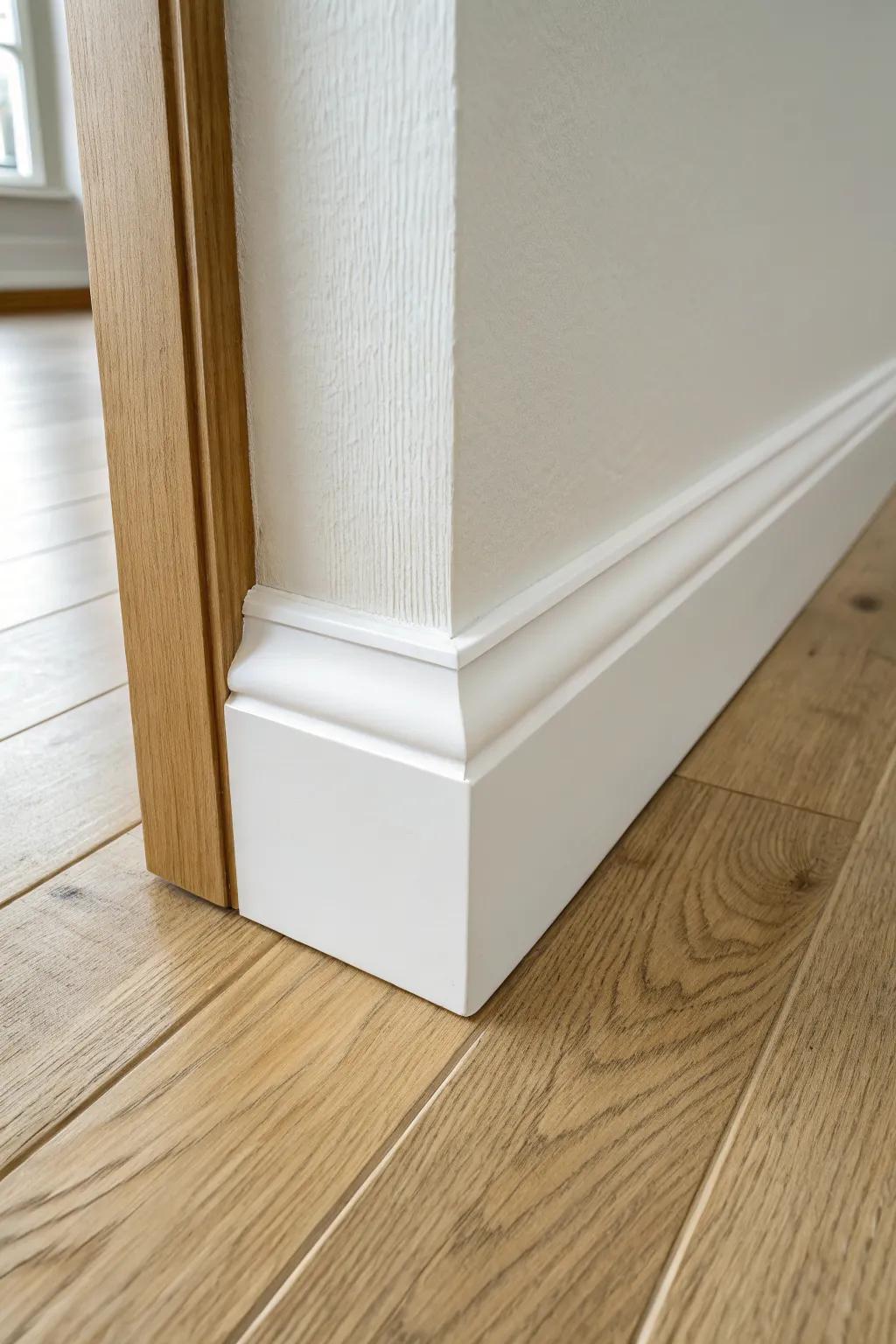
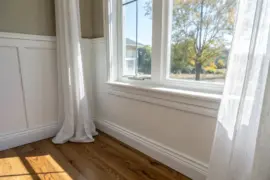
Instead of forcing two profiles to match, I sometimes add a tiny flat spacer to create a deliberate shadow gap between them. I started using this when mixing modern and farmhouse trim, and that crisp reveal makes the transition feel like a design choice.
Might be a good match:
- Thin Trim Spacer Shims: Create that precise shadow gap effortlessly by using thin, uniform shims to align your trim perfectly.
- Paintable Caulk for Reveals: Ensure your shadow lines look intentional and clean by sealing adjacent gaps with smooth, paintable caulk.
- Fine Tooth Pull Saw: Achieve the crispest cuts necessary for delicate transition pieces without damaging your pre-finished baseboard edges.
Metal Strap Transition Accent
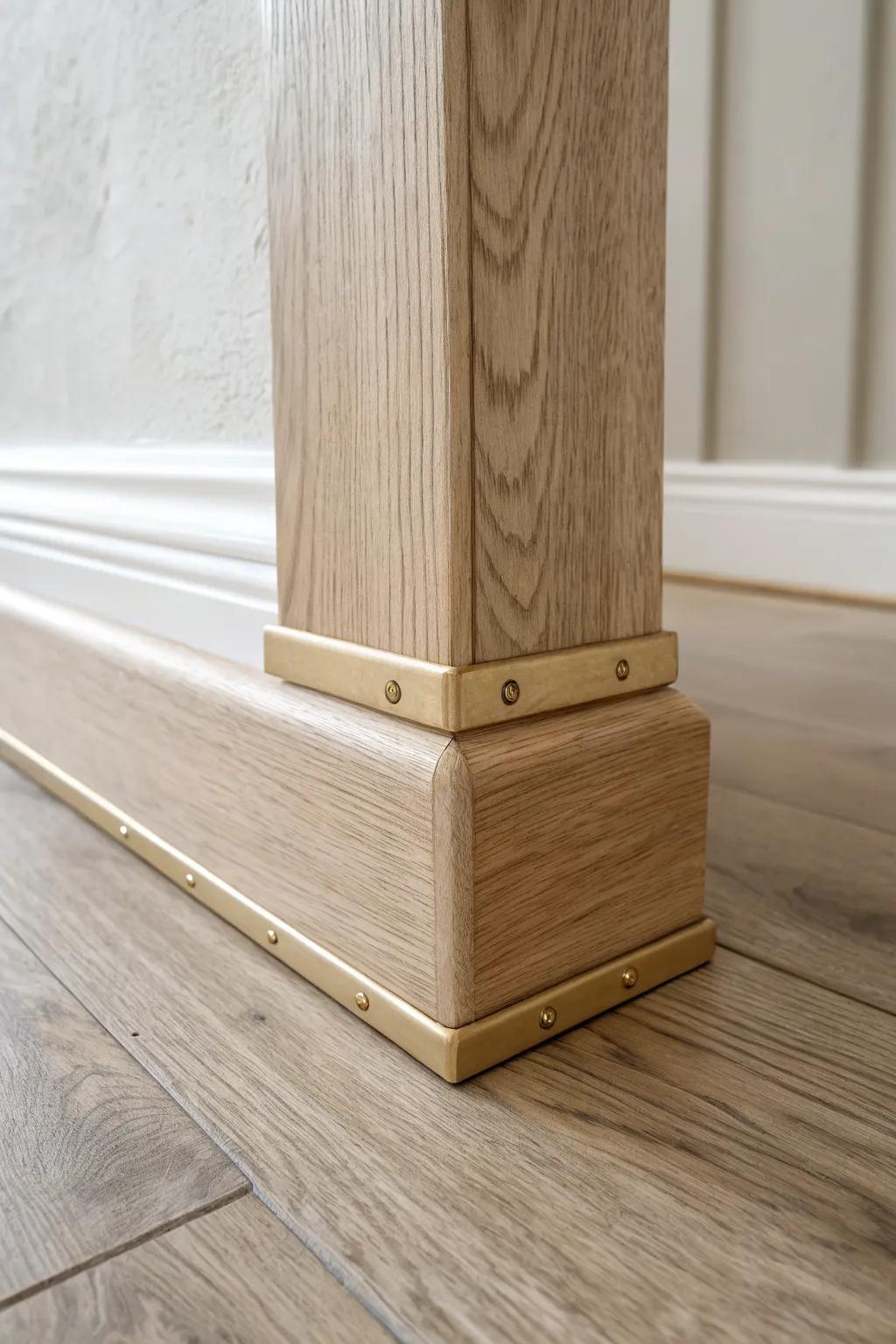
When I want something unexpected, I wrap a thin metal strap around a transition block like a little belt, then let each baseboard butt into it. I’ve used this metal accent transition in a workshop-style remodel, and it makes even mismatched trim look intentional and bold.
Some handy options:
- Brass Flat Bar Stock: Use pliable brass flat bars to wrap around your trim for a custom, industrial-chic transition accent.
- Decorative Brass Wood Screws: Secure your metal straps with exposed brass screws to add authentic, vintage-style detail to the joinery.
- Metal Decorative Corner Guards: Apply pre-made metal corner accents for an easier, instant upgrade that mimics the custom strapped look.