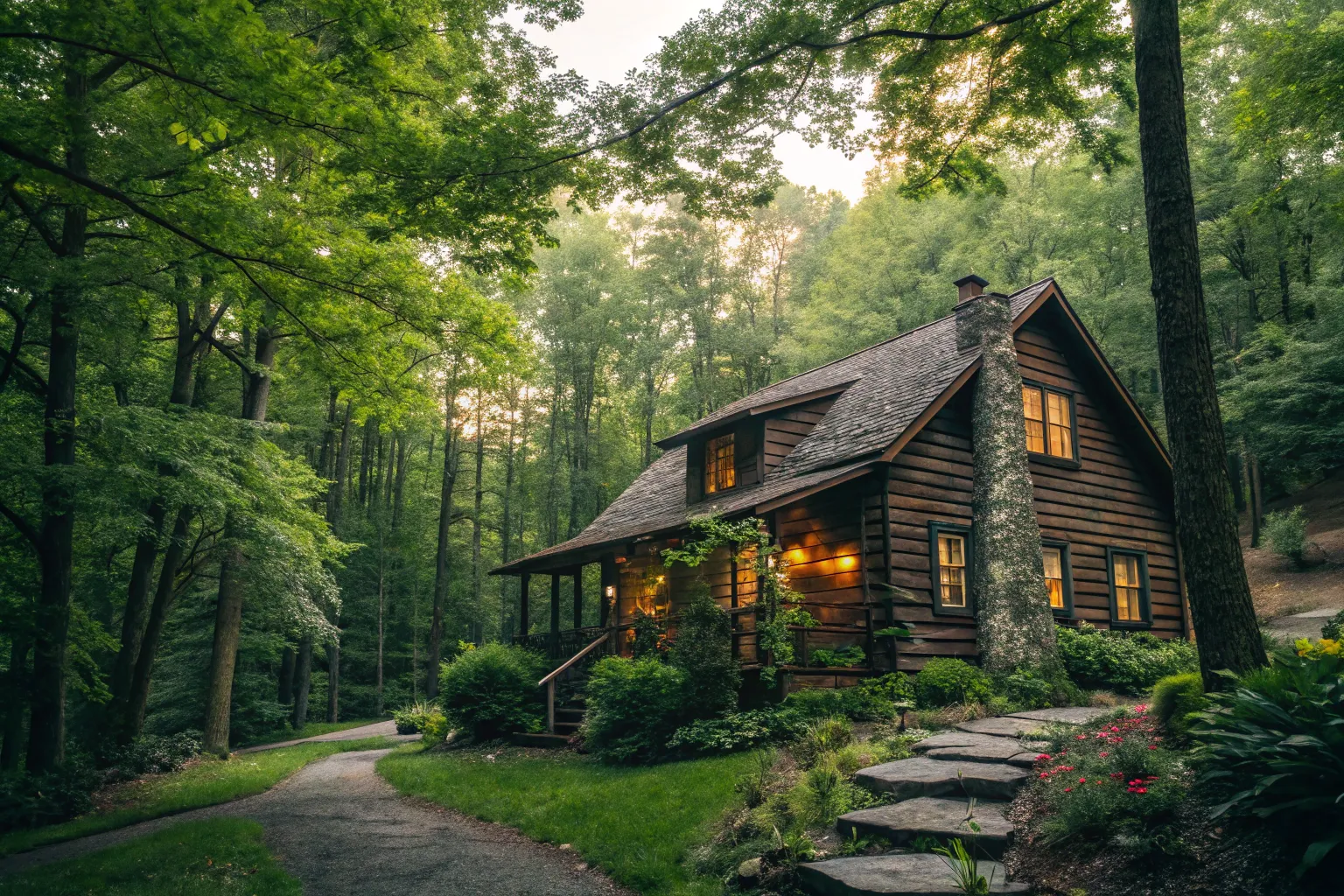
Cabin style living isn’t about rustic nostalgia—it’s about bringing the wisdom of the mountains into everyday life. It honors craftsmanship, natural materials, and slow living. This guide explores how to translate the beauty and sturdiness of a mountain lodge into your home through texture, proportion, and purposeful design.
The Philosophy of Wood and Warmth

Cabin style begins with a deep respect for wood—not just as a material, but as a narrative medium. Every knot and grain holds movement, memory, and the tactile language of nature. When we design with wood, we’re not simply decorating; we’re shaping the atmosphere.
I often remind myself that a well-designed cabin-style room should sound quiet—soft underfoot, acoustically calm, and visually cohesive. The interplay of timber, light, and air creates that hush that makes mountain lodges feel so peaceful.
A successful cabin interior captures three core principles:
- Natural Integrity: Materials are left close to their authentic form.
- Visual Balance: Contrasting tones and tactile variation prevent heaviness.
- Functional Craftsmanship: Furniture and architecture serve purpose first, aesthetics second.
Selecting and Combining Woods

Your wood palette defines the soul of your space. The goal is to mix character species without overwhelming the senses. Think of it as composing a symphony—each tone has to support the others.
| Wood Type | Best Uses | Color & Grain | Durability | Design Note |
|---|---|---|---|---|
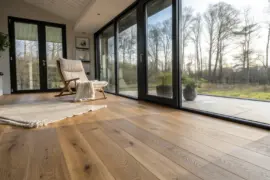
| White Oak | Floors, beams, cabinetry | Pale gold, tight grain | Excellent | Stable, timeless, reflects light beautifully |
| Pine | Ceilings, paneling | Soft amber, knot-rich | Moderate | Feels grounded and traditional |
| Walnut | Furniture, accent walls | Deep espresso brown | High | Adds refined contrast |
| Douglas Fir | Trusses, posts | Red-golden tone, straight grain | Good | Works well for structural or visual warmth |
| Cedar | Closets, exterior/interior siding | Rose-red hue | High | Naturally insect-resistant; aromatic |
Expert Tip: Use one primary species (covering 60–70% of visual wood surface) and a secondary accent (20–30%). This keeps coherence while adding interest. For example, rough pine paneling pairs elegantly with a dark walnut dining table.
Architecture and Spatial Flow

Cabin design is defined by structural honesty—what you see is what supports you. Even in suburban or urban homes, you can reference these architectural cues subtly.
Core Architectural Features to Incorporate:
- Exposed beams or faux trusses for height and depth.
- Tongue-and-groove wall or ceiling paneling for warmth.
- Stone or slate fireplace surrounds for visual grounding.
- Large central windows that frame exterior views, enhancing the connection to nature.
- Open floor plans with natural zoning using cabinetry or changes in flooring material.
In smaller apartments, mimic the lodge spirit with partial wood cladding restricted to one “focus wall”—for example, behind the bed or sofa. Combine vertical cladding (adding height) with dimmed lighting to evoke coziness without darkness.
The Role of Texture and Natural Contrast

A cabin interior thrives on sensory diversity. Smooth polished timber beside handwoven textiles; cool stone next to warm oak; the glint of iron against matte clay. Textural layering is what makes the environment feel both handcrafted and lived-in.
Foundational Textural Pairings:
- Untreated oak with linen or canvas—organic but soft.
- Distressed leather with raw wool—aged yet enduring.
- Polished granite with dark-stained walnut—modern rustic balance.
- Matte iron fittings on rough-hewn timber—industrial precision meets tradition.
Don’t forget the rule of tactile contrast: pair one high-texture element (like a split-face stone wall) with low-texture surroundings (smooth plaster or milled pine) for harmony.
Crafting the Cabin Palette

The cabin color language is drawn from forest ecosystems—earth, bark, moss, water, and firelight. Avoid flat browns; think living browns that contain depth and undertones.
| Color Family | Mood Contribution | Best Application |
|---|---|---|
| Forest green, olive | Relaxing, grounding | Upholstery, walls |
| Ochre, clay, rust | Cozy vibrancy | Accents, ceramic pieces |
| Charcoal, slate | Strength and calm | Fireplace walls, furniture frames |
| Cream, stone gray | Light diffusion | Ceilings, trims |
| Wine, amber | Warmth and subtle richness | Throws, cushions |
I’ve found that lighting changes everything—warm light shifts pine toward honey, while cooler daylight brings out grayish undertones in oak. Always test stains and finishes in both sunlight and lamplight before committing.
Lighting: Crafting Glow, Not Brightness
Lighting in cabin interiors should sculpt atmosphere rather than merely illuminate. Think layers, softness, and interplay of shadow.
Try a Three-Layer Setup:
- Ambient Lighting – Warm (2700–3000K) overhead fixtures with diffused covers. Recessed or pendant forms work well in high ceilings.
- Task Lighting – Focused sources like rustic sconces by reading chairs or kitchen counters.
- Accent Lighting – Hidden LEDs washing wood textures, or candles placed near natural stone for reflectivity.
Pro Tip: Use dimmers everywhere. The ability to shift from lively daylight to evening quiet gives cabin spaces emotional flexibility.
Building an Inviting Layout
Cabin furniture is solid, handmade, and proportionate to human scale. Each piece should invite touch and presence. Balance is achieved by mixing weighty and light visual forms.
Living Room Example:
- Anchor your space with a timber coffee table (approx. 18–20″ tall).
- Position seating in a U- or L-shape around a focal point (fireplace or view).
- Layer with a jute or wool rug at least 8” under each furniture leg for grounding.
- Add side tables in contrasting wood tone—preferably round to soften the angular lines.
Dining Area Example:
- Choose a plank-style or trestle table with visible grain and imperfections.
- Combine with high-backed upholstered chairs or wooden benches with neutral linens.
- Overhead, hang a metal or antler-inspired fixture at about 30–36″ above the tabletop for ideal visual balance.
Accessories: The Language of Subtle Ornament
Avoid clutter, embrace purpose. Each accessory should contribute to sensory narrative—a sound, a texture, or a rhythm in material.
Nature-Derived Accents to Consider:
- Woven baskets or wood-crate shelving for functional storage.
- Stoneware bowls, unpolished ceramics, or handblown glass.
- Framed botanical sketches or sepia landscapes.
- Branch or antler forms echoed in lamp bases.
- Textiles in patchwork or heritage patterns (e.g., plaid, Navajo influences, Scandinavian wool designs).
Rotate these seasonally. In winter, emphasize wool throws and candle holders; in summer, lighten the palette with natural linen and open-grain ceramics.
Functional Sustainability
Cabin living inherently values longevity over trend. Good materials age gracefully; bad ones don’t.
Sustainability Checklist:
- Source FSC-certified lumber whenever possible.
- Use natural oils and waxes instead of polyurethane varnish for breathing surfaces.
- Incorporate heat-efficient stoves or thick curtain layering for energy savings.
- Salvage wood offcuts for smaller projects—floating shelves, picture frames, or stools.
- Restore rather than replace furniture; sanding and re-oiling renews worn surfaces beautifully.
I prefer finishing oils like tung or linseed—they deepen color while maintaining tactile warmth. A piece of wood that still smells faintly of resin years later ages much better than one sealed under plastic gloss.
Seasonal Adaptation and Lifestyle Flow
Cabin-inspired homes shift with the seasons. Adjust décor rhythmically to maintain freshness:
| Season | Adjustments | Textures & Accents |
|---|---|---|
| Winter | Embrace warm-toned lighting, thick wools, deep woods | Sheepskin throws, candle clusters |
| Spring | Introduce greens and flowering branches | Linen covers, ceramic vases |
| Summer | Airy textiles, lighter color value | Cotton slipcovers, open windows |
| Fall | Layer textures, muted amber hues | Flannel cushions, acorn or berry branches |
This cyclical approach prevents stagnation and mirrors the natural world’s own patterns of renewal.
Bringing It All Together
A true cabin-style home feels alive—it creaks, breathes, and carries the scent of timber and coffee. Every mark, every handmade imperfection becomes part of a personal story. The more you live in it, the more it becomes yours.
In the end, cabin style isn’t about mimicry. It’s about rediscovering the equilibrium between craft and comfort—between our built spaces and the natural world outside them.
When light filters through woodgrain on a quiet evening and you hear the soft creak of the floor beneath bare feet, that’s when you know you’ve captured it—the stillness and strength of the mountains, right at home.
Quick Start Checklist: Cabin Style Basics at a Glance
| Category | Focus Points | Action Steps |
|---|---|---|
| Material | Natural, durable woods | Choose oak or pine; mix tones |
| Color | Earth-based neutrals | Green, rust, brown, stone |
| Lighting | Warm and layered | Use dimmers and mixed sources |
| Texture | Soft + coarse balance | Combine wool, linen, and raw timber |
| Furnishings | Solid, handcrafted forms | Prioritize comfort and honesty |
| Décor | Natural and seasonal | Keep accessories minimal, meaningful |