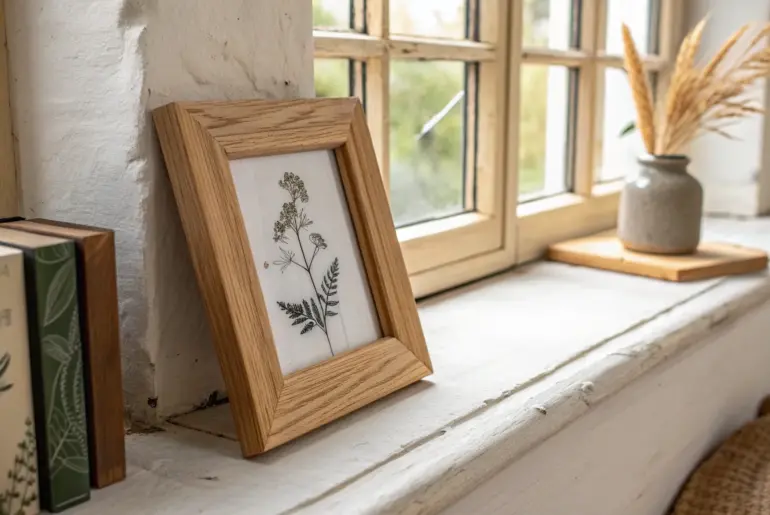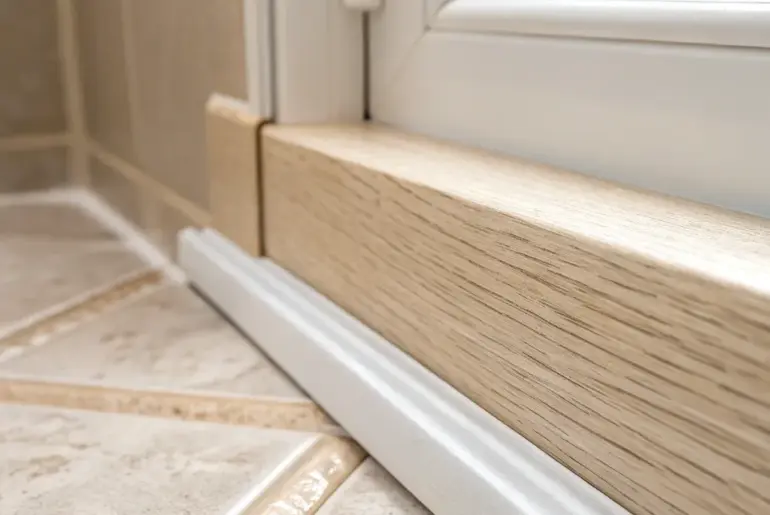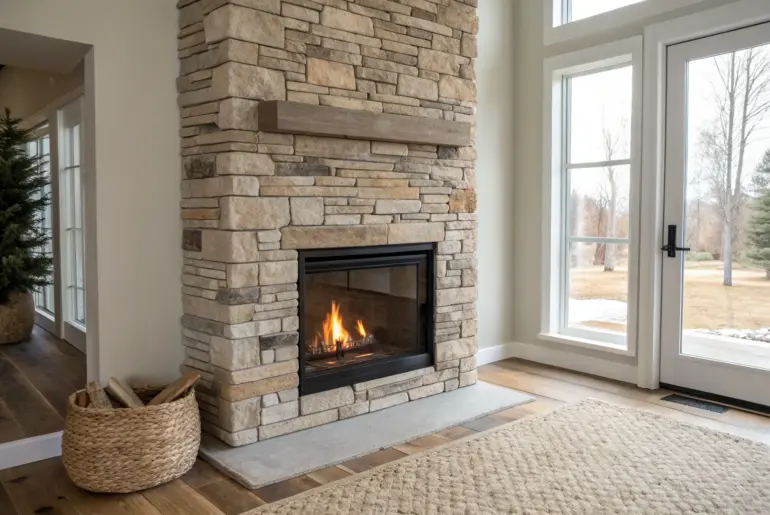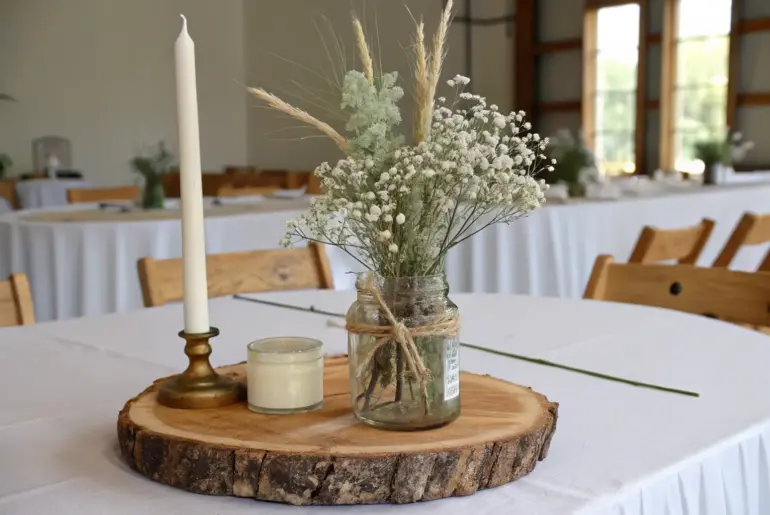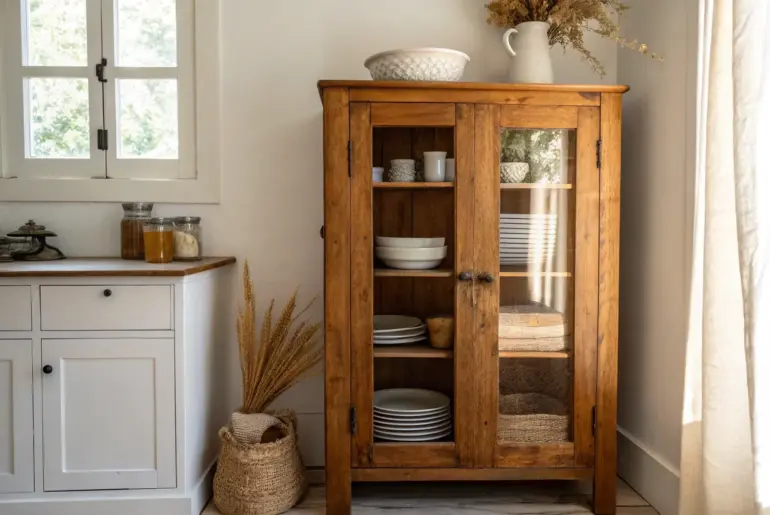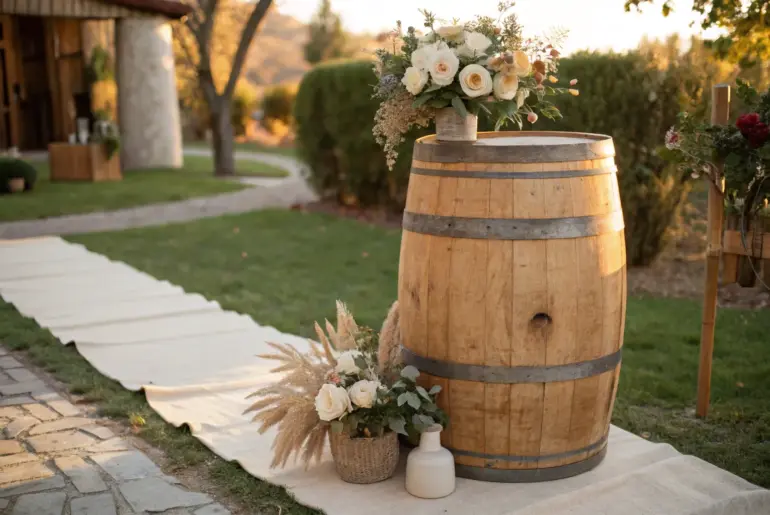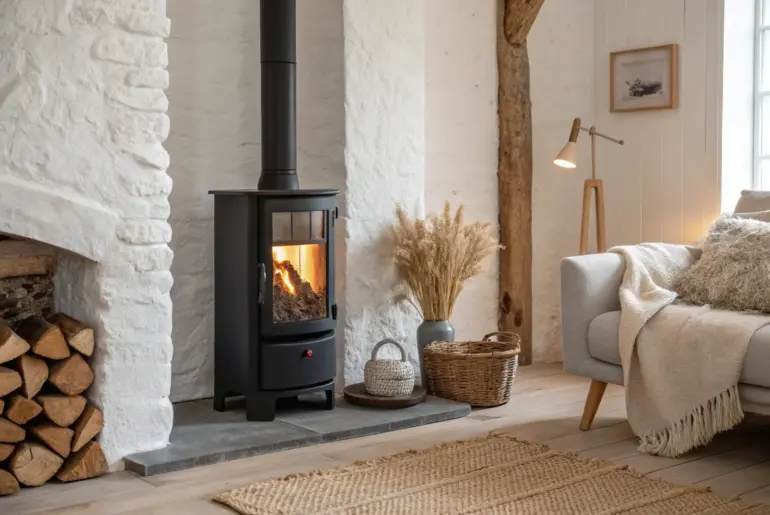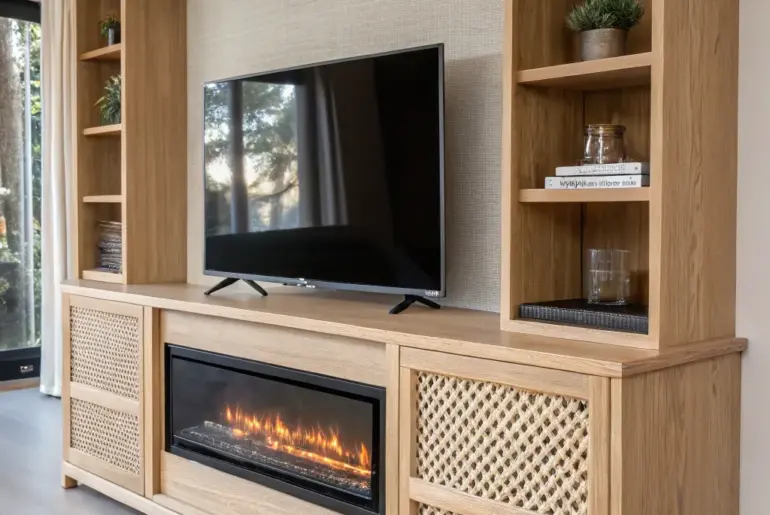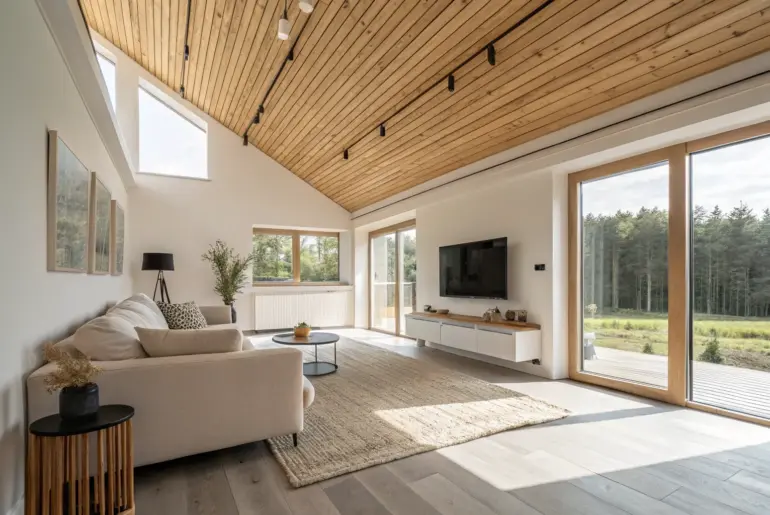
Even the smallest piece in a room—like a wooden bowl, a linen curtain, or a clay vase—can subtly alter the way air moves and moisture forms. These quiet forces of design shape not only what we see, but also what we feel and breathe. The Invisible Design Element Wood interacts with air and moisture, constantly adapting to its environment. Humidity isn’t just about comfort—it influences how wood expands, textiles breathe, and finishes age. Every material…
Color may catch the eye, but texture holds the heart. When a home is built around tactile integrity rather than visual trends, it feels balanced, grounded, and quietly luxurious. Why Texture Speaks Louder Than Color Texture such as linen speaks to the sense of touch, enhancing a space’s atmosphere. Color defines mood; texture defines atmosphere. The subtle irregularity of hand-planed oak, the soft weave of linen, or the mineral coolness of limestone flooring all speak…
Mixing wood tones is one of the most rewarding design choices you can make—if done thoughtfully. A mix of finishes, grains, and colors brings depth, character, and authenticity to a space. But it can also feel overwhelming fast. Here’s how to strike harmony without losing the natural soul of your home. 1. Begin With a “Key Wood” Foundation Choosing a key wood foundation begins with observing the largest surfaces like flooring. Every wood-rich space needs…