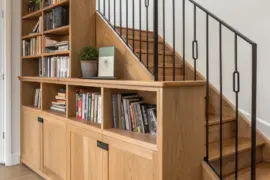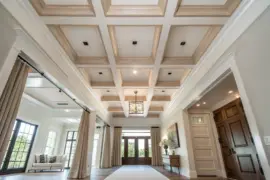
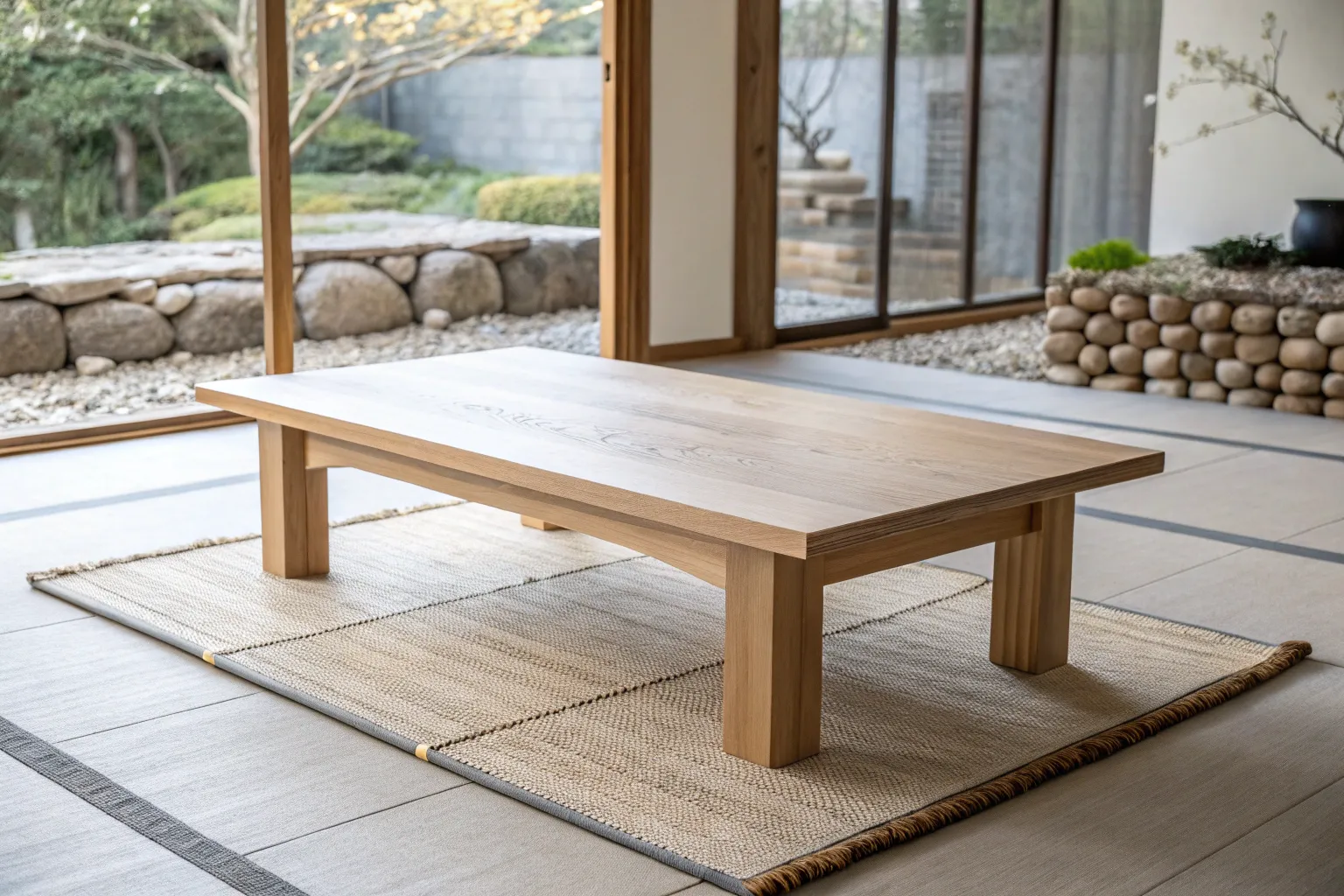
Japanese modern interiors feel calm because they keep the lines clean, the palette quiet, and the materials honest.
Make a Sunken Conversation Pit
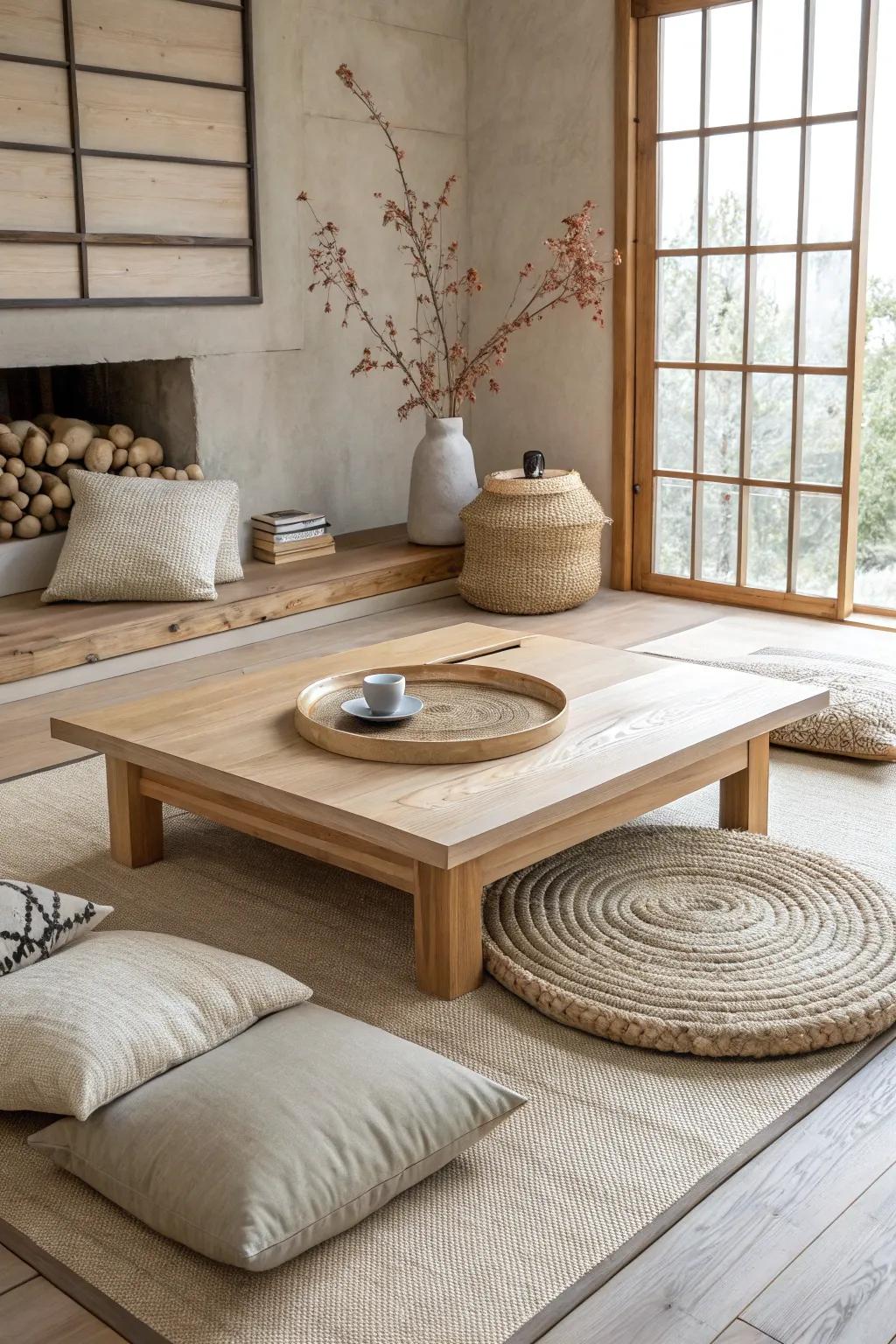
A sunken living area feels super Japanese modern—cozy, grounded, and architectural—and I’ve mocked one up with a raised perimeter platform when a full remodel wasn’t happening. Even that “fake sunken” trick changed how people gathered, like the room finally had a natural center.
A few choices to try:
- Low-Profile Coffee Table: Anchor your seating area with a minimal, low-slung table that encourages grounded, intimate conversations.
- Woven Floor Cushions: Create versatile, textured seating instantly with natural woven poufs that complement neutral, modern spaces.
- Large Neutral Area Rug: Define your conversation zone visually with a textured, flat-weave rug that softens the floor.




Stick to a Warm Neutral Palette
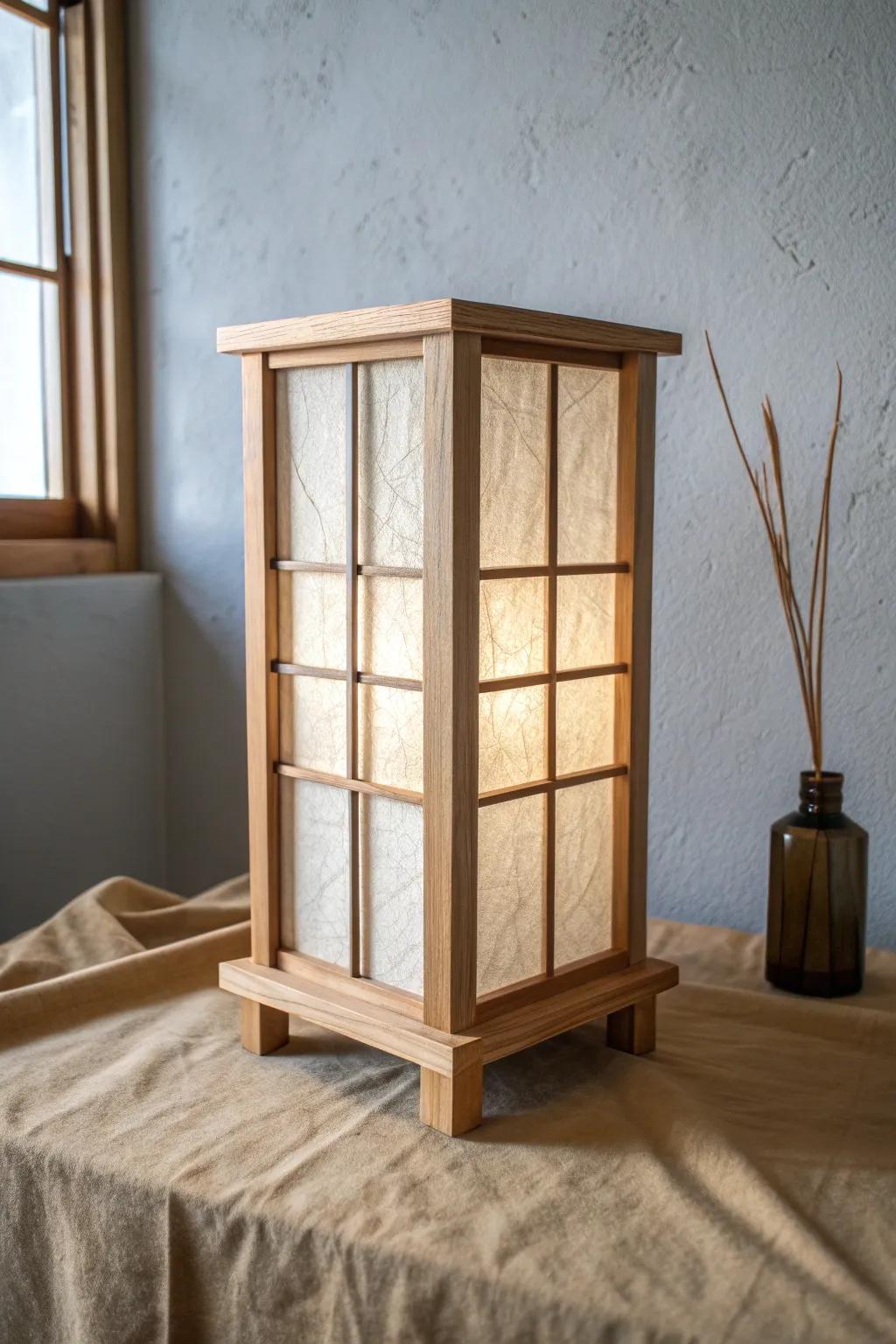
When I’m aiming for Japanese modern design, I start with warm whites, soft grays, and sandy beiges so the room instantly feels quieter. I’ve repainted a few too-busy spaces this way, and it always makes my wood pieces look more intentional.
Explore these options:
- Japanese Washi Paper Table Lamp: Add soft, diffused light to your room to instantly create a calm, warm atmosphere that highlights natural textures.
- Beige Linen Table Runner or Cloth: Soften your wooden surfaces with textured natural fabrics in sandy hues to create a cohesive, layered neutral look.
- Minimalist Ceramic amber/brown Vase: Incorporate subtle earth tones with simple glassware or ceramics to hold dried botanical accents without overwhelming the space.

Let Natural Wood Be the Star
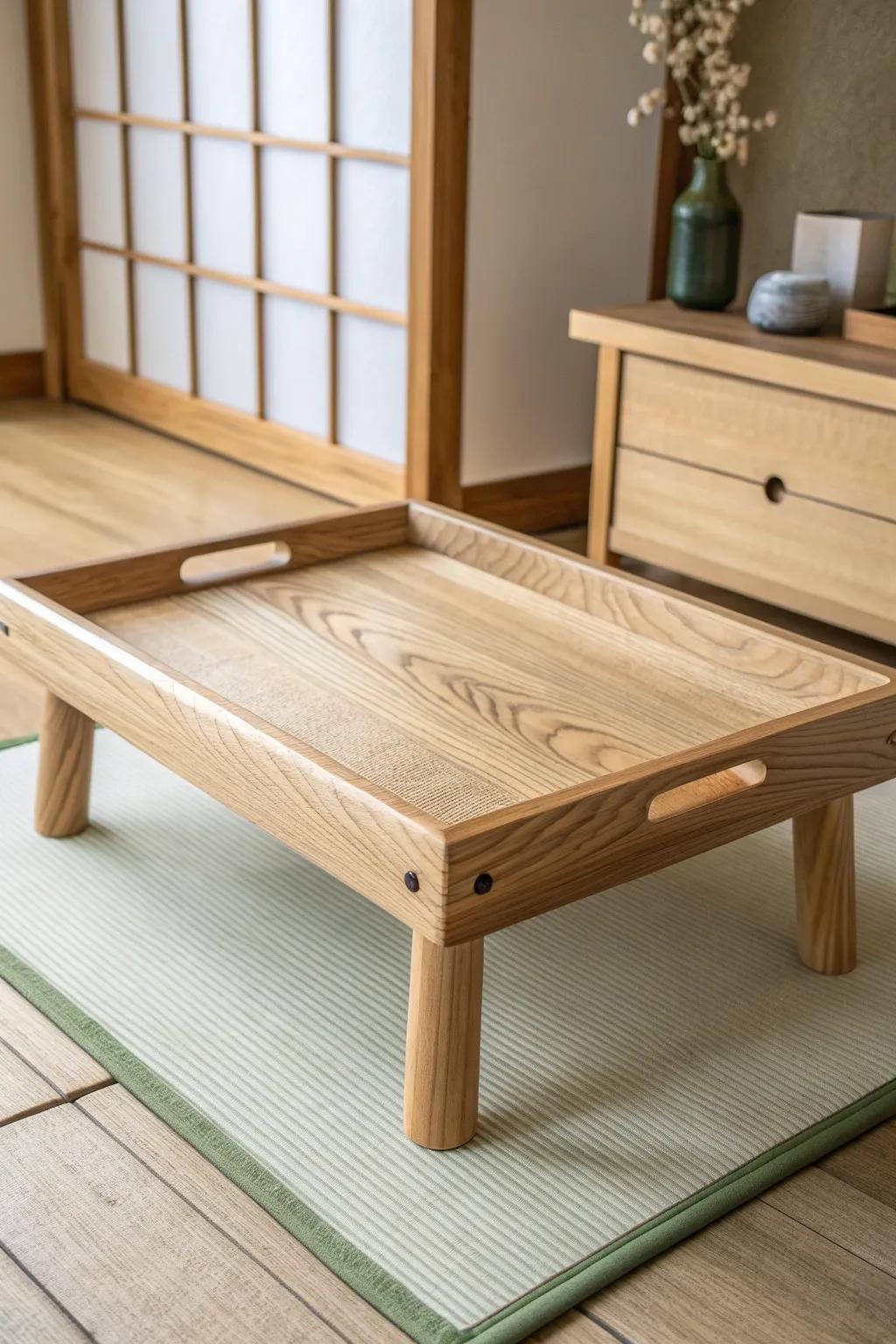
I lean hard on natural wood grain—oak, ash, or whatever reclaimed boards I can flatten—because Japanese modern rooms treat wood like artwork. In my shop, I’ll often just clear-coat and call it done, and that simplicity is exactly the point.
Products that could assist:
- Minimalist Low Wooden Tea Table: Add functional elegance to your room with a simple, grain-forward low table perfect for floor seating.
- Tatami Floor Mat: Create an authentic foundation for your wooden furniture with a natural woven rush grass floor mat.
- Clear Wood Finish Sealant: Protect your raw timber projects while highlighting their natural grain patterns with a high-quality clear finish.

Go Low With Seating and Tables
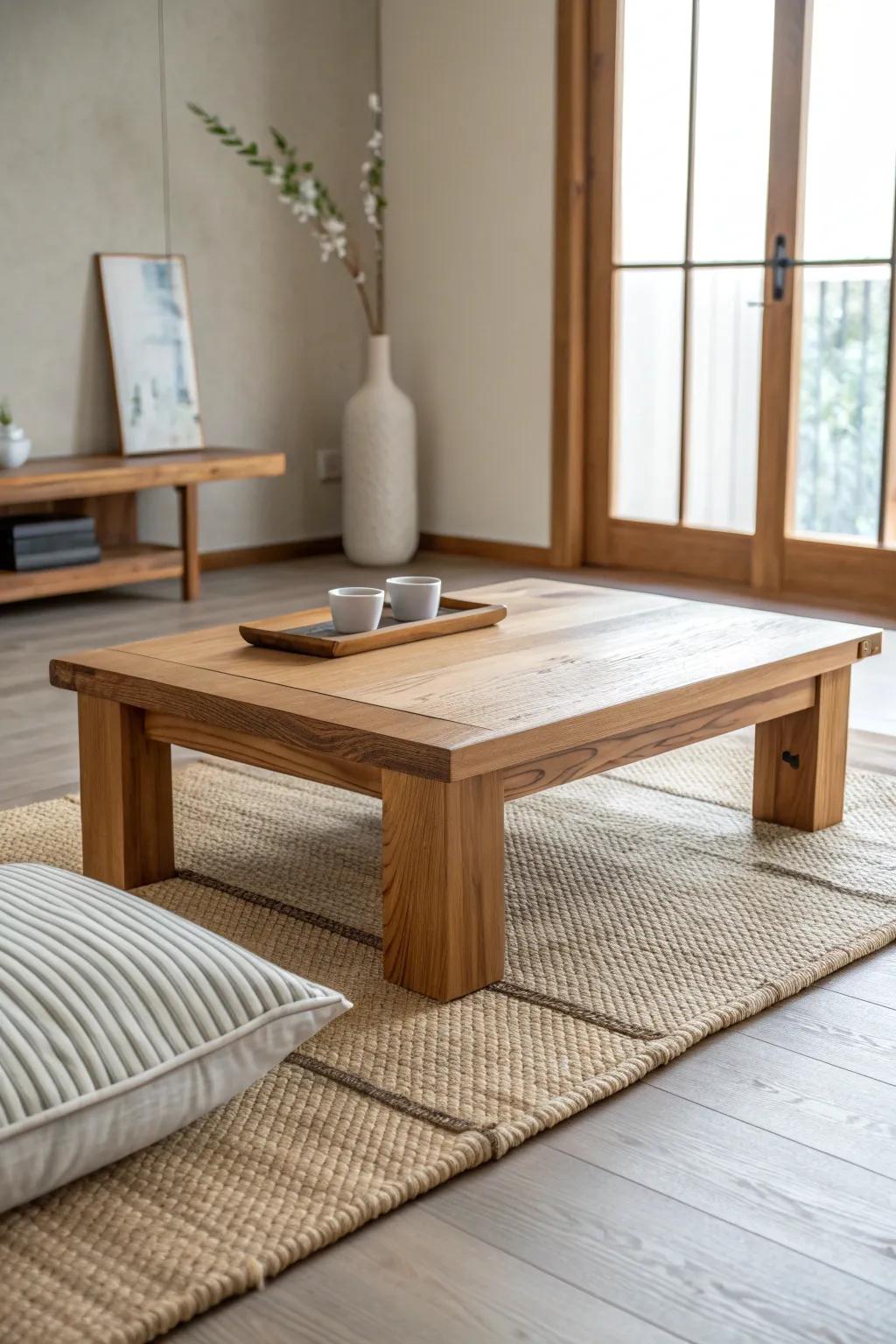
Nothing says Japanese modern interior like low-profile furniture, and I’ve built a chunky, low coffee table that makes even a basic sofa feel more grounded. The first time I tried it, my whole living area felt taller and calmer overnight.
Check these products out:
- Low Profile Solid Wood Coffee Table: Ground your living space with a sturdy, low-profile wooden table that creates an open, calming atmosphere.
- Natural Fiber Woven Area Rug: Add warmth and texture beneath your low furniture with a durable, neutral woven rug for comfort.
- Striped Floor Cushion: Enhance your low seating arrangement with comfortable, stylish floor cushions perfect for relaxing near the ground.
Add Shoji-Style Sliding Panels
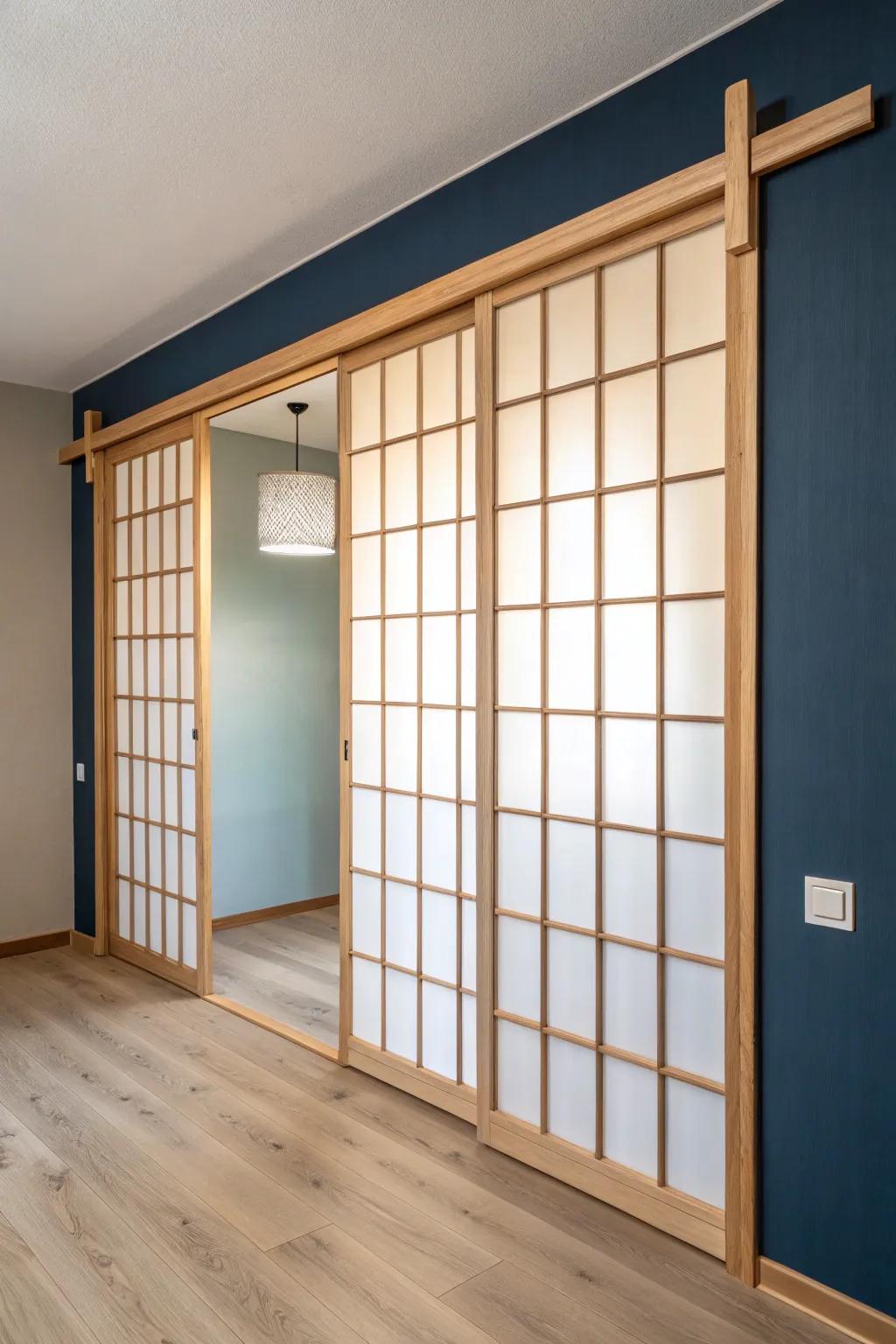
I love using shoji-style screens as modern room dividers—clean wood grids with a light-diffusing panel—because they give privacy without closing things in. I’ve installed them on simple tracks before, and the soft glow is seriously addictive.
These products might help:
- Shoji Sliding Door Kit: Install these Japanese-style grid doors to divide your space elegantly while maintaining a bright, open atmosphere.
- Barn Door Hardware Track: Mount your new panels securely with a sliding track system that offers smooth, quiet, and reliable operation.
- Rice Paper Window Film: Transform existing glass doors easily by applying this translucent film to mimic the authentic shoji paper look.
Create a Modern Tatami Nook
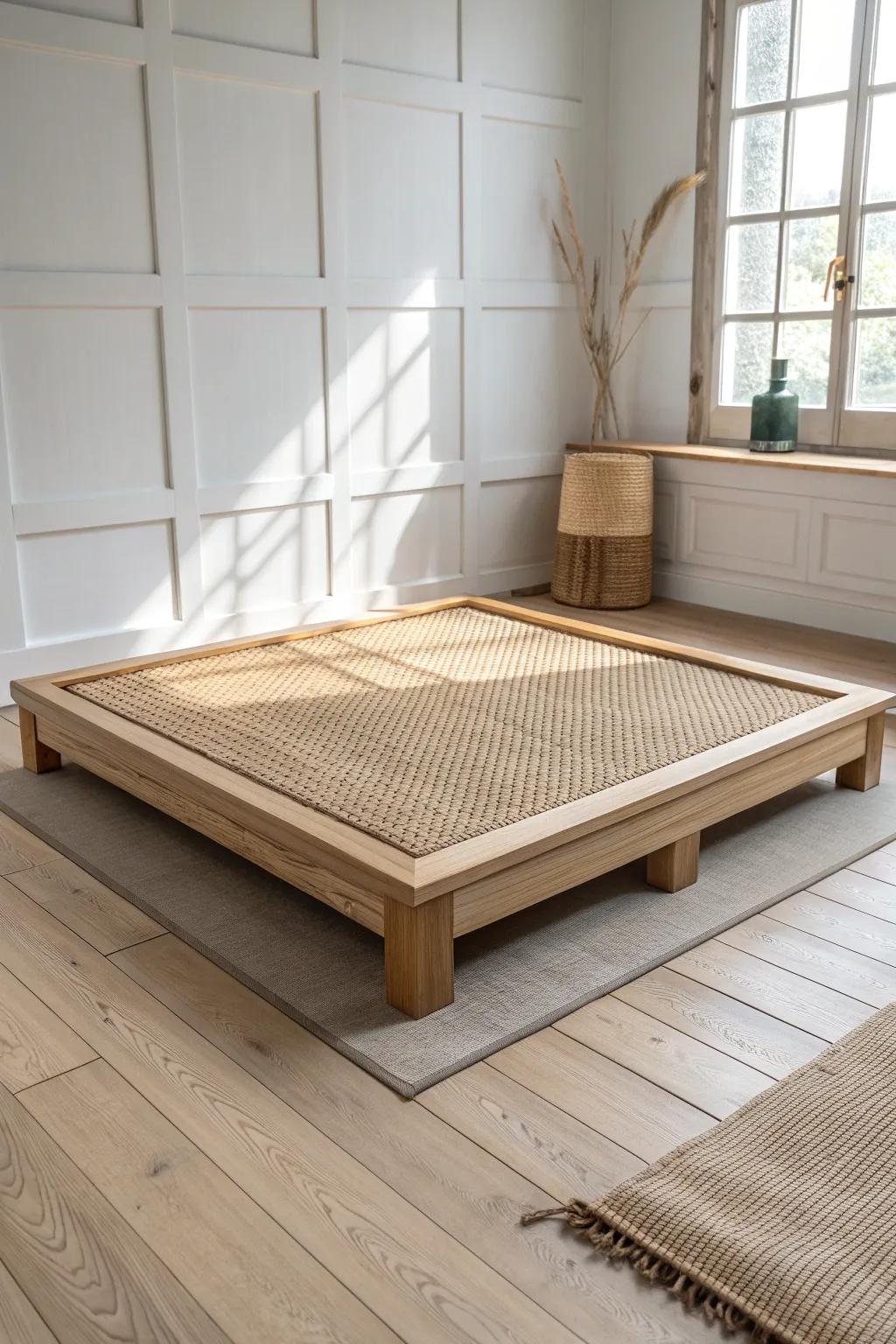
A small tatami-inspired nook (even just a raised platform with woven mats) instantly reads Japanese modern, especially paired with a low table. I built a tiny platform for a reading corner once, and it became the spot everyone naturally gravitates to.
A few things you might like:
- Authentic Igusa Tatami Mat: Create an authentic foundation for your nook with breathable woven rush grass that adds natural texture and scent.
- Low Profile Wooden Bed Frame: Establish the defining raised platform look with a minimalist, low-profile wooden frame suitable for Zen-inspired spaces.
- Beige Area Rug or Underlay: Soften the area surrounding your platform and protect your flooring with a neutral, textured rug or mat.

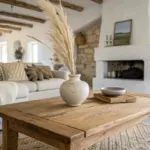
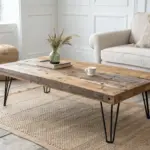
Choose a Low Platform Bed
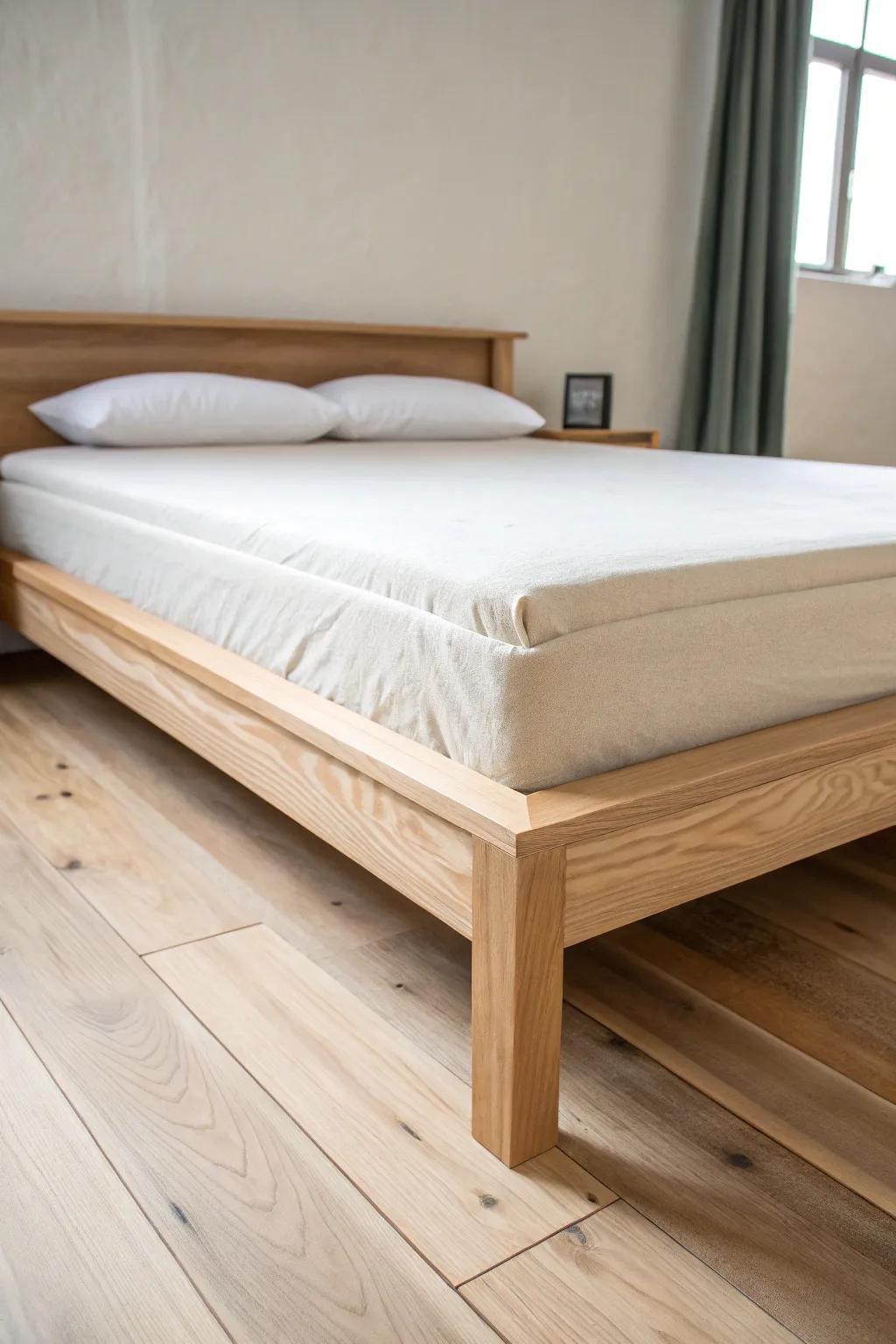
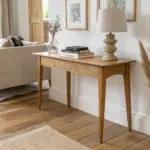
A platform bed with clean edges keeps the bedroom feeling minimal and grounded, which is a classic Japanese modern move. I’ve made simple bed frames with hidden slats, and the “floating” look never stops feeling fresh.
You might like:
- Wooden Platform Bed Frame: Transform your bedroom with a simple, solid wood frame that emphasizes clean lines and minimalist calm.
- Cotton or Linen Sheet Set: Complement your bed with breathable, neutral-toned bedding that enhances the natural, grounded aesthetic of the room.
- Low Profile Nightstand: Keep essentials close without visual clutter by adding a compact, low-height side table next to your bed.
Try Vertical Slat Room Dividers
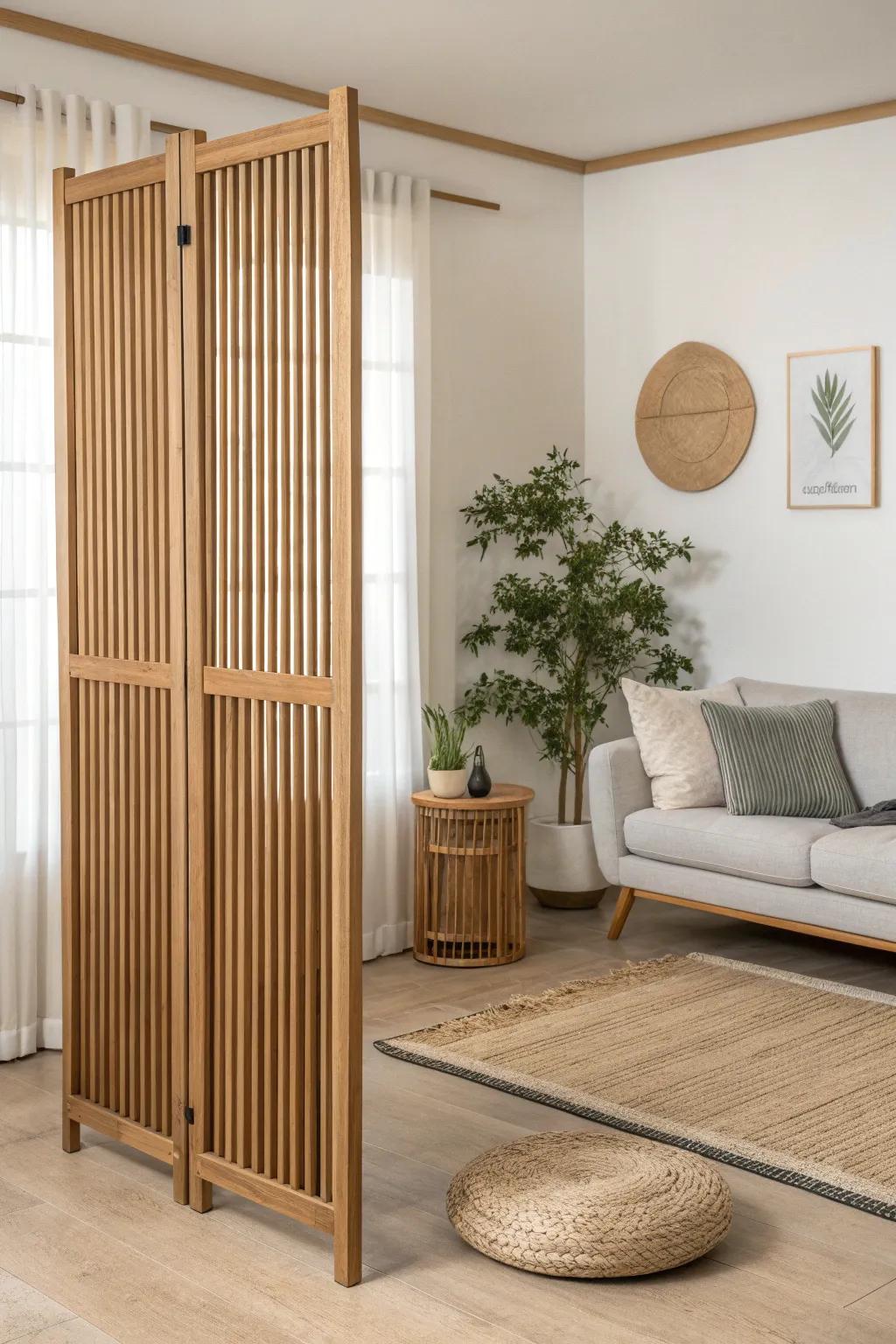
Wood slat dividers are my favorite quick way to get that Japanese modern rhythm—structured, airy, and warm at the same time. I’ve ripped scrap into identical strips for a divider wall, and the shadow lines are basically instant architecture.
Check if these fit your needs:
- Wooden Slat Room Divider: Create instant separation and visual interest in open spaces with this airy, structured folding privacy screen.
- DIY Wood Wall Slat Kit: Build your own custom architectural feature or fixed partition using these uniform, easy-to-install wooden strips.
- Bamboo Floor Mat: Complement the linear wood textures of your divider with a natural bamboo rug for cohesive styling.
Blur Indoors and Outdoors
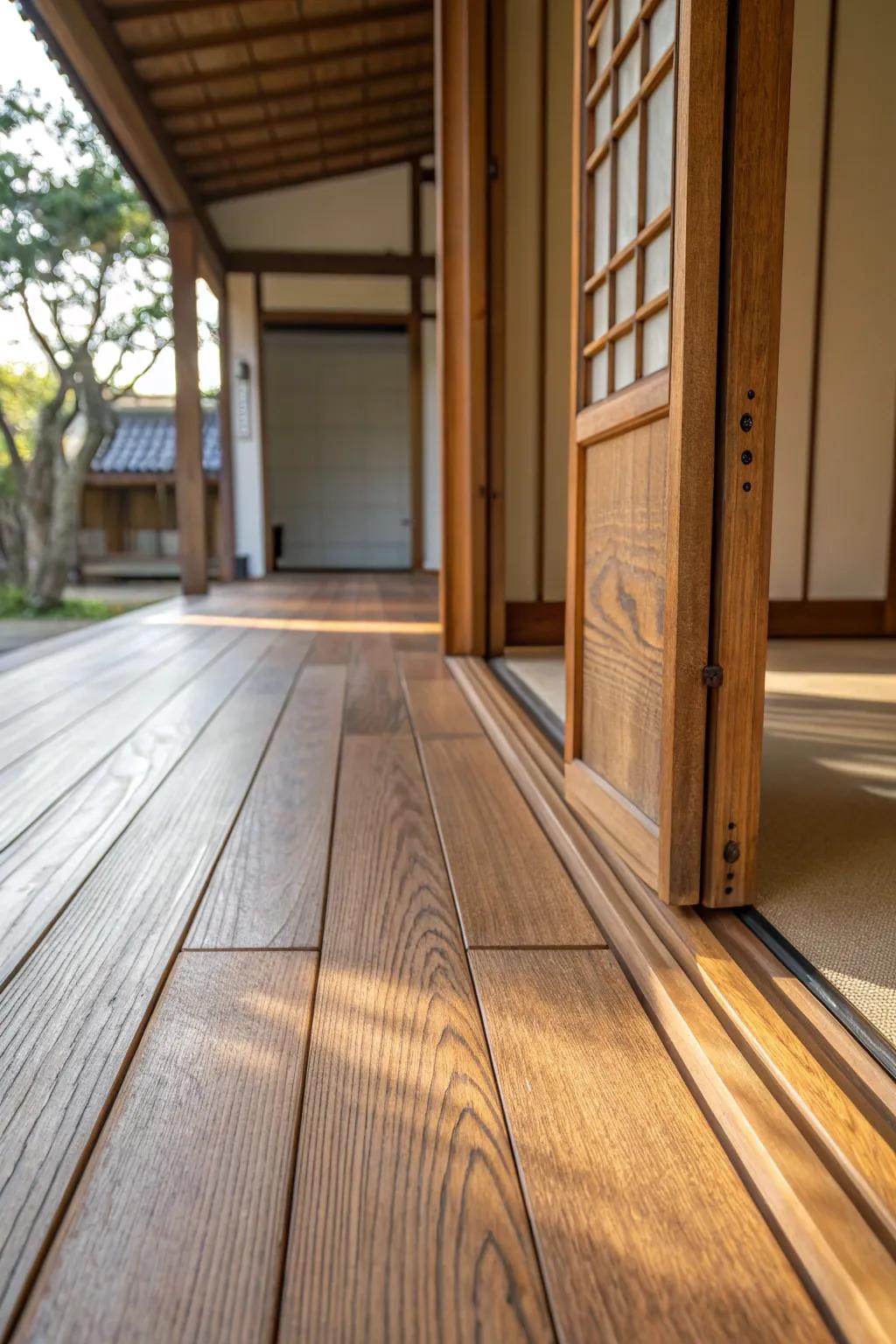
That indoor-outdoor flow is a big part of Japanese modern style, and I’ve leaned into it by matching interior wood tones to a simple deck or threshold outside. Even just extending the same finish across a doorway made my space feel like it breathes.
Possibly helpful picks:
- Interlocking Wood Deck Tiles: Extend your living space effortlessly by snapping these tiles together to create a seamless outdoor transition.
- Shoji Screen Room Divider: Incorporate traditional Japanese aesthetics and let light flow through while gently separating your indoor spaces.
- Modern Tatami Mat Flooring: Bring the texture of Japan indoors with modern rush grass mats that complement wooden deck tones.
Build a Simple Genkan Entry
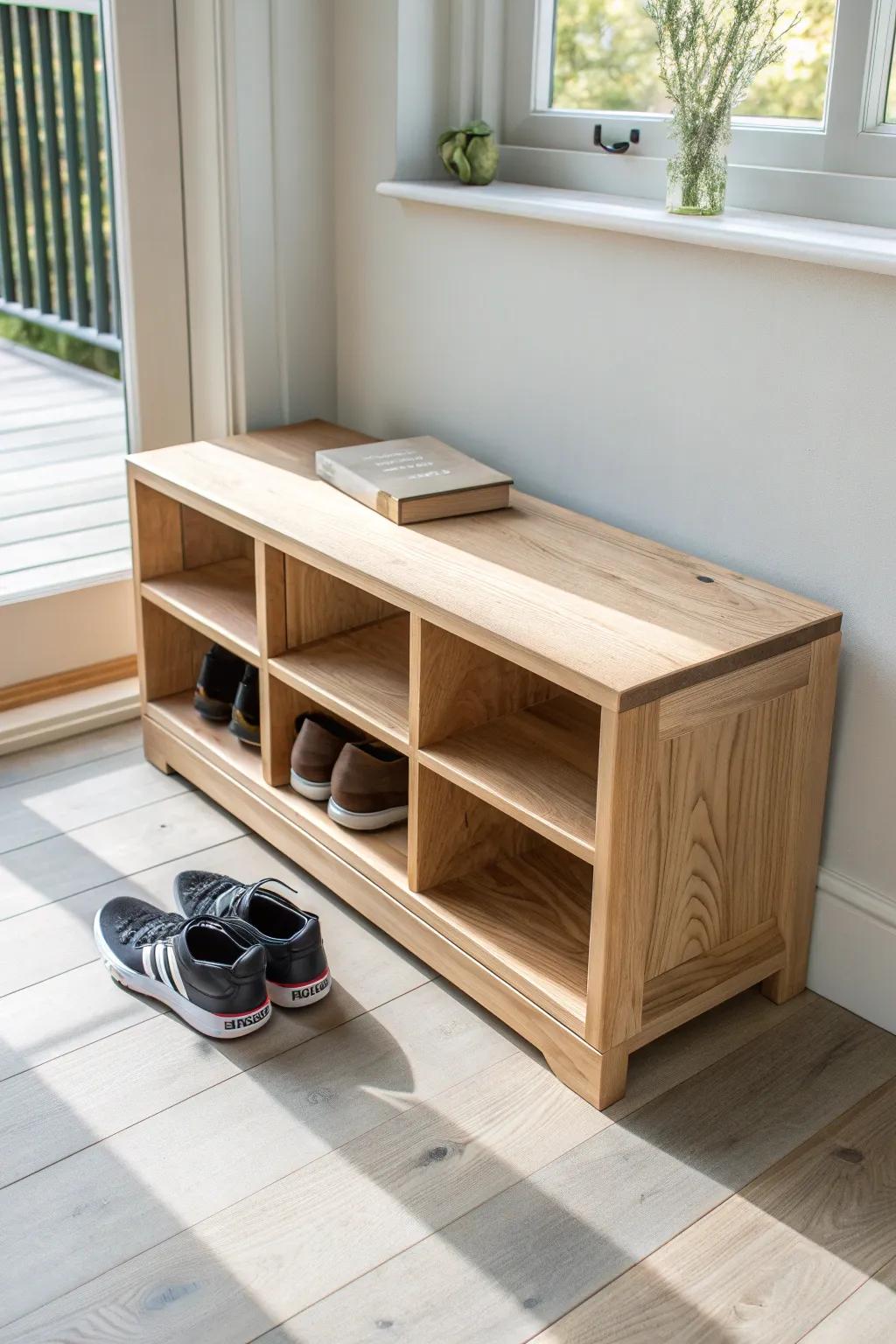
A modern genkan-style entry—a small step-down or defined shoe zone—keeps the rest of the home feeling clean and intentional. I’ve built a slim shoe bench with cubbies, and it’s honestly the best clutter-control trick I’ve ever used.
A few helpful options:
- Wooden Shoe Storage Bench: Organize your entryway with a sturdy bench that offers both seating and essential shoe storage compartments.
- Clear Floral Vase: Add a touch of nature to your windowsill or bench with a simple, elegant glass vase.
- Hardwood Floor Cleaner: Keep your genkan area spotless and welcoming by using a gentle cleaner designed for natural wood floors.
Hide Storage Behind Flat Wood Doors
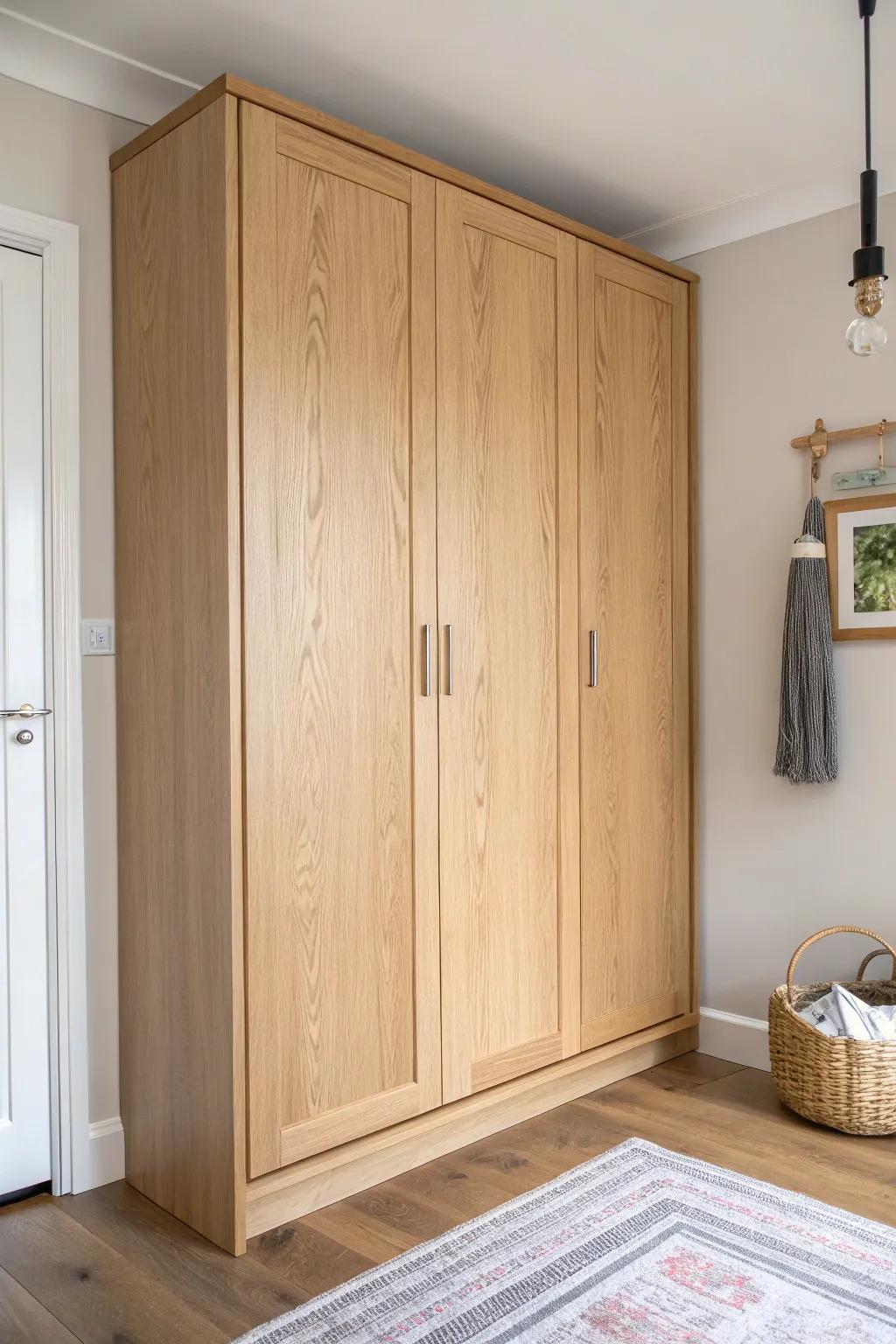
Minimal storage is the secret sauce in Japanese modern interiors, and I’m a big fan of flat-front wood doors that visually disappear. I’ve retrofitted old cabinets with simple slab fronts, and suddenly the whole wall felt calmer.
Some handy options:
- Light Oak Wardrobe or Cabinet: Choose a freestanding tall wardrobe in light oak tones to mimic built-in storage and declutter your space.
- Minimalist Finger Pull Door Handles: Install sleek metal pulls or hidden edge handles to maintain cleaner lines and a simplified modern aesthetic.
- Wood Veneer Contact Paper: Refresh existing furniture surfaces with realistic wood grain vinyl for a quick, budget-friendly Japandi style upgrade.
Mix Wood With Stone or Concrete
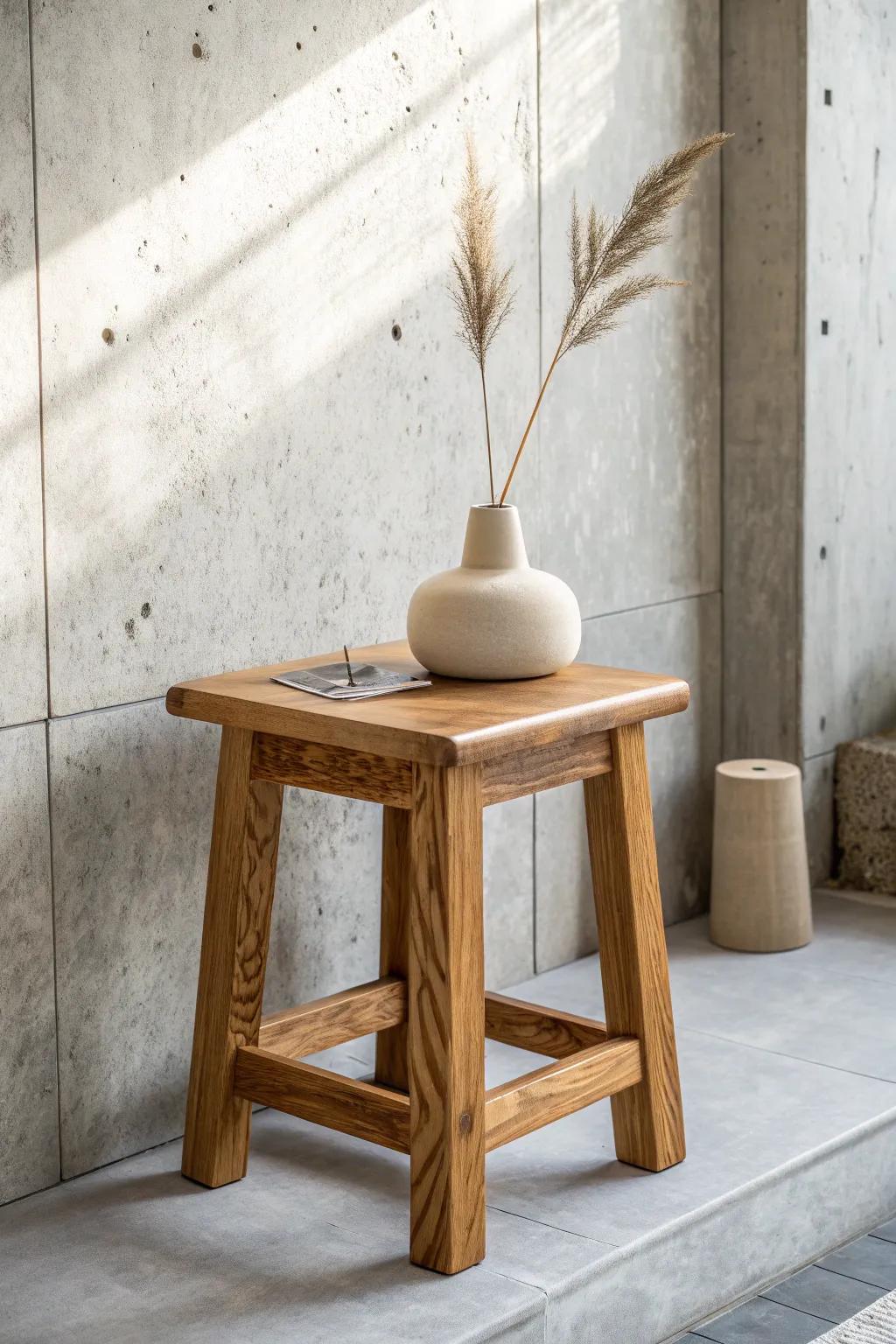
Japanese modern design looks amazing when warm wood meets cool stone (or a concrete-look surface) because the contrast feels balanced, not busy. I’ve paired a wood vanity with a stone-tile wall, and it instantly turned “bathroom” into “spa mood.”
A few suggestions:
- Solid Oak Stool or Side Table: Add warmth to your concrete walls with this versatile wooden piece that functions as seating or display.
- Minimalist Ceramic Vase: Balance the rugged textures with a smooth, neutral vase perfect for holding simple dried botanicals.
- Dried Pampas Grass Stems: Bring organic softness to industrial spaces by arranging these natural, feathery stems in your favorite vessel.
Use Soft, Diffused Lighting
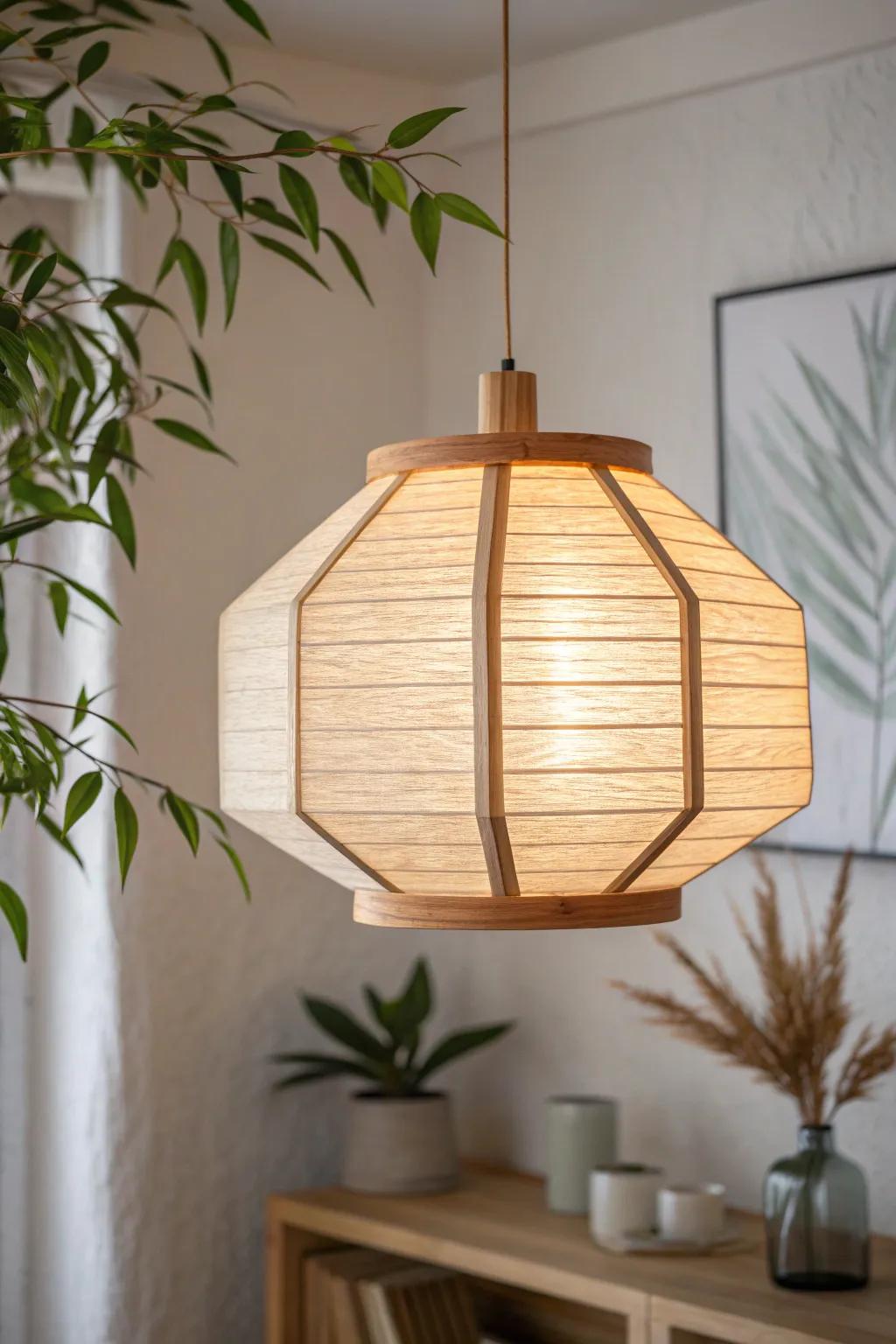
I always swap harsh overhead bulbs for diffused lighting—think paper-like shades or fabric panels—because Japanese modern rooms glow instead of glare. I’ve built simple wood frames for soft pendant shades, and the room feels gentler the second the light flips on.
Try these:
- Japanese Style Paper Pendant Light: Transform your room instantly with this elegant fixture that creates a soft, calming atmosphere perfect for relaxation.
- Rice Paper Floor Lamp: Add a gentle glow to dark corners with a tall paper shade that diffuses light beautifully and evenly.
- Bamboo or Rattan Hanging Shade: Bring natural warmth to your space using organic materials that filter light for a cozy, inviting ambiance.
Bring in One Sculptural Plant
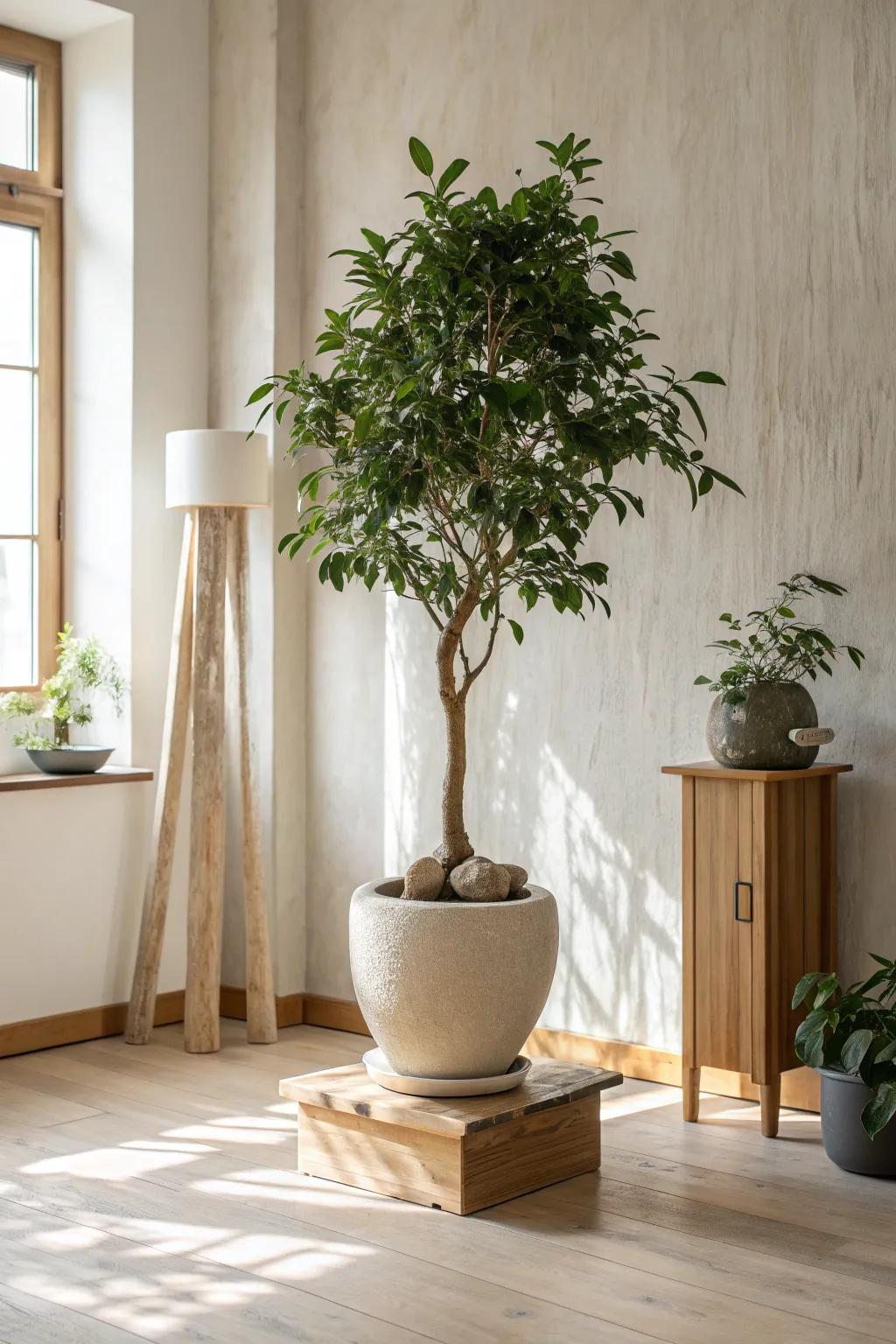
Instead of lots of little decor, I’ll add one bold green focal point—a sculptural plant or a pruned branch—so it feels like a modern nod to nature. I’ve staged my builds with a single potted tree, and it always makes the space look instantly more Japanese modern.
Possibly handy products:
- Large Artificial Ficus Tree: Add instant height and greenery to your corner without any maintenance using a realistic-looking faux tree centerpiece.
- Minimalist Stone Planter Pot: Ground your sculptural plant in a textured, neutral pot that perfectly complements modern, organic design aesthetics.
- Low Wooden Plant Stand: Elevate your focal point slightly off the floor to create visual hierarchy and protect your flooring surfaces.
Frame a View With a Moon Window
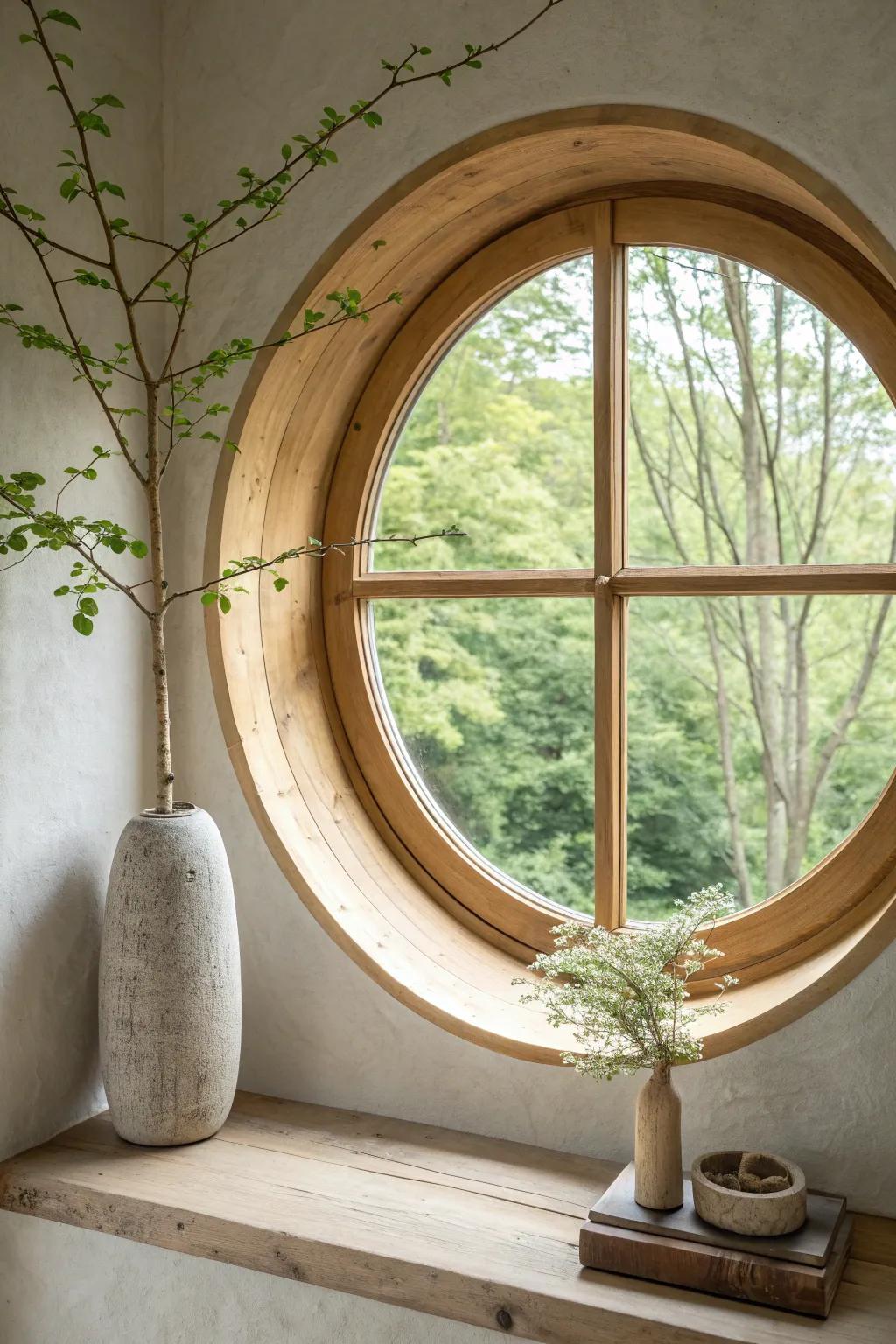
A moon window (a clean circular wood frame) is such a Japanese modern “wow” detail, especially when it frames greenery or a simple vignette. I cut one into a partition panel once, and it turned a plain wall into a quiet little moment of art.
A few relevant products:
- Minimalist Ceramic Floor Vase: Anchor your window view with a tall, textured vase that adds organic warmth without cluttering the space.
- Faux Greenery Branches: Bring nature indoors by arranging tall, leafy branches that mimic the outdoor view for immediate impact.
- Circular Wall Decor or Mirror: Recreate the moon window aesthetic effortlessly on any wall with a round wood-framed mirror or art piece.
Highlight Wabi-Sabi Repairs
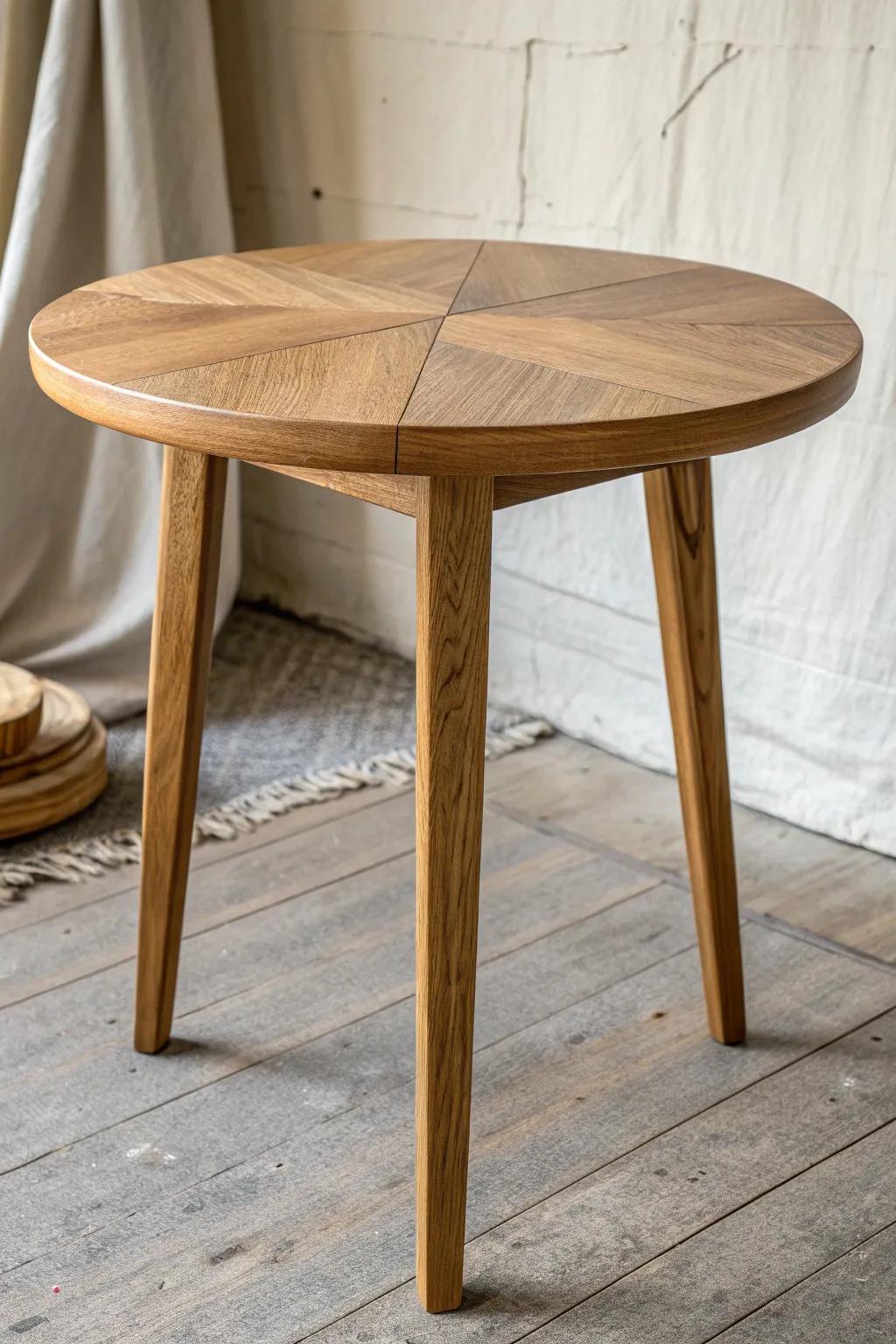
For a more soulful Japanese modern look, I sometimes lean into wabi-sabi by making repairs visible—like a contrasting wood patch or a clean inlay that celebrates the crack instead of hiding it. I’ve saved scratched tabletops this way, and the “fixed” spot usually becomes everyone’s favorite detail.
Give these a look:
- Wood Butterfly Inlay Bow Ties: Stabilize cracks beautifully by inserting these contrasting wooden keys to turn flaws into functional, eye-catching design features.
- Brass Powder for Kintsugi Repair: Celebrate imperfections by filling small cracks or gouges with gold-toned resin to highlight rather than hide the damage.
- Assorted Wood Veneer Sheet Pack: Cut clean geometric shapes from contrasting wood species to patch damaged surface areas with creative, modern visual interest.
Add a Sliding Wood Feature Wall
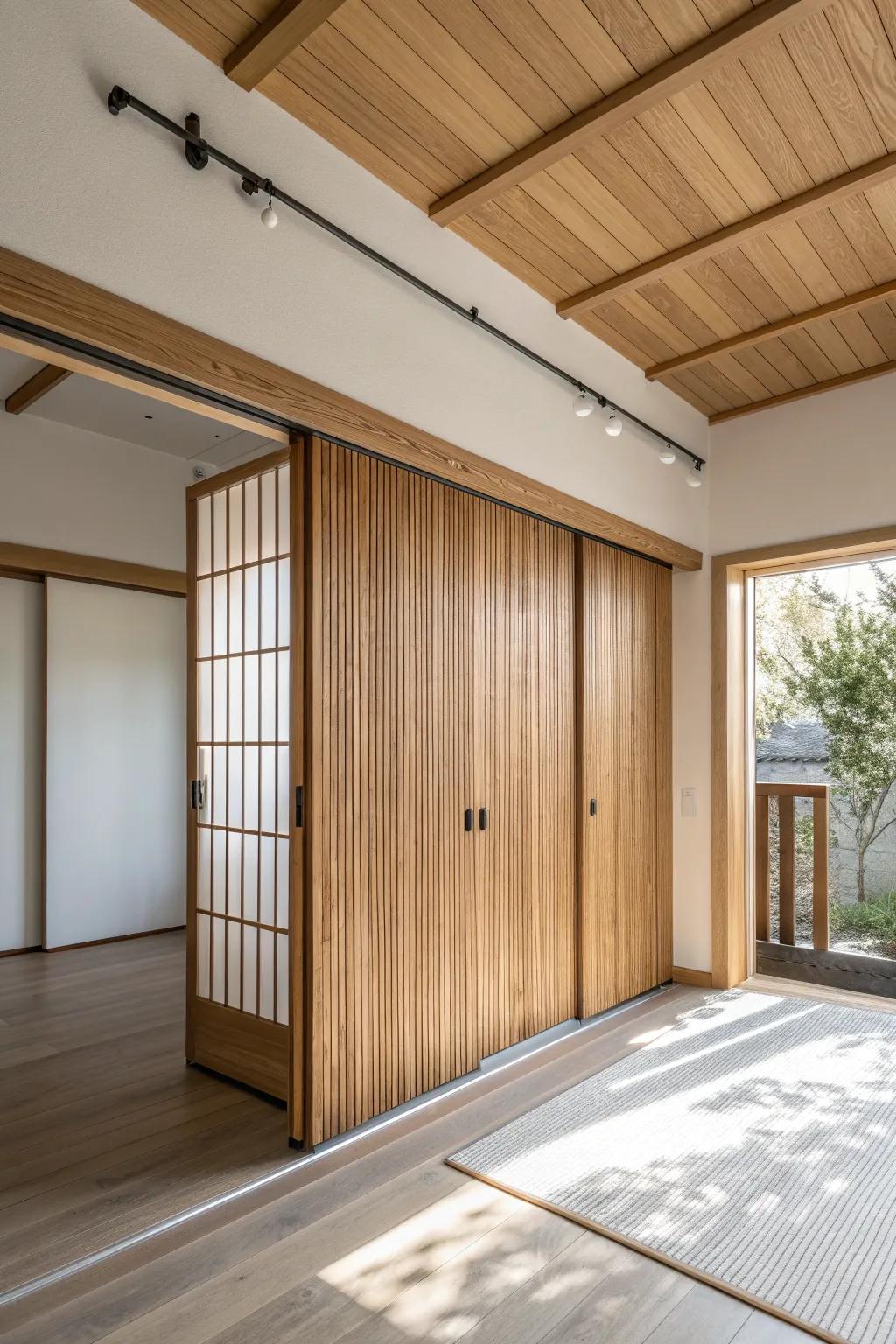
One of my favorite surprising Japanese modern ideas is a sliding wood wall that hides the TV, shelves, or a messy workspace in seconds. I’ve built track-mounted slat panels before, and the room goes from “daily life” to “zen” with one smooth slide.
Consider these options:
- Heavy Duty Sliding Door Hardware Kit: Install sturdy tracks to ensure your custom wood panels glide smoothly and securely across the wall.
- Wood Slat Wall Panels: Create the slatted texture easily with pre-made acoustic wood panels that offer instant modern Japanese style.
- Recessed Finger Pull Handles: Add these minimal, flush handles to allow easy movement of your panels without ruining clean lines.